Category: Silver Stacking 101

  • Why Selling Your Gold and Silver Now Could Be a $100,000 Retirement Mistake

    By the Stack Silver Smart Editorial Team
    In the early months of 2026, the precious metals market has felt like a roller coaster. We’ve seen gold challenge the $5,000 mark and silver stage a historic breakout, only to see “flash crashes” and volatility shake the nerves of even the most seasoned investors.

    If you are sitting on a stack of physical silver or a Gold IRA, the temptation to “take the money and run” is at an all-time high. You might be looking at your gains and thinking, “Is it time to lock in these profits before the bubble bursts?”

    At Stack Silver Smart, we believe that selling your core precious metals holdings right now isn’t just premature—it could be the costliest financial mistake of your retirement. Here is the data-driven, “smart” perspective on why the current volatility is a trap for the impatient, and a golden opportunity for the strategic.

    1. The “Spot Price” Trap: Why Your Screen Is Lying to You

    The biggest mistake most retail investors make—and the one Augusta Precious Metals frequently warns about—is judging success solely by the “Spot Price.”

    When you see gold or silver dip on a Tuesday morning, that is the “paper market” reacting to high-frequency trading and institutional de-leveraging. It has almost nothing to do with the physical reality of metal supply.

    For the SSS community, we have to remember: You don’t own a ticker symbol; you own a private reserve of wealth. Selling based on a 48-hour price swing in the paper markets is like selling your house because your neighbor sold theirs for a discount in a fire sale.

    2. The 2026 Debt Reality: $35 Trillion and Counting

    The fundamental reason you bought gold and silver hasn’t changed; in fact, it has intensified. As of early 2026, the U.S. National Debt is accelerating at a pace that traditional math can no longer justify.

    When you sell your gold for U.S. Dollars, you are trading a finite, physical asset for a debt-based currency that is being devalued by the minute.

    • The SSS Insight: In a world of $35 trillion+ in debt, gold isn’t “going up”—the dollar is simply “going down.” Selling your gold now means you are betting that the U.S. government will suddenly become fiscally responsible. Does that feel like a safe bet to you?

    3. Silver’s “Industrial Squeeze”: The X-Factor

    While gold is the anchor of your portfolio, silver is the “coiled spring.” In 2026, we are seeing something unprecedented: The Green Energy & AI Collision.

    • AI Data Centers: These facilities require massive amounts of silver for high-end semiconductors.
    • Solar Expansion: Silver is an essential component that currently has no viable substitute.
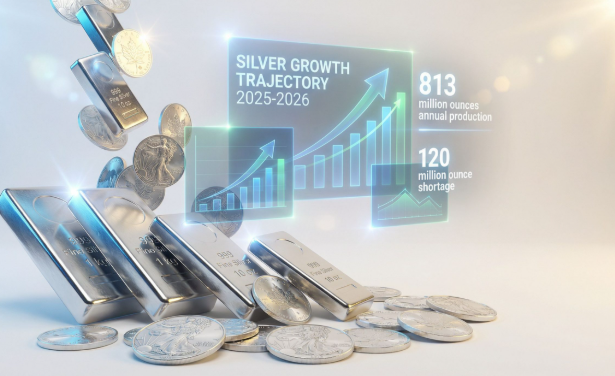
    • The Supply Deficit: We are currently in the fifth consecutive year of a structural silver supply deficit.

    If you sell your silver now, you are exiting the market right as the industrial demand curve is turning vertical. History shows that when silver moves, it moves 2x to 3x faster than gold. Don’t let a temporary “dip” cheat you out of the “moonshot.”

    4. The 46+ Demographic: Protecting the “Red Zone”

    If you are over age 46, you are in what we call the “Financial Red Zone”—the years where you cannot afford to lose 30% of your wealth in a stock market crash.

    Most people sell their gold to put that money back into “the market.” But look at the S&P 500 in 2026: valuations are stretched, and the “Buffett Indicator” is screaming overvalued.

    • The SSS Strategy: Gold and silver are your “Financial Insurance Policy.” You don’t cancel your homeowners’ insurance just because your house hasn’t burned down yet. Likewise, you don’t sell your metals just because the stock market had a green day.

    5. The “Replacement Cost” Nightmare

    One of the most painful lessons investors learn is the cost of re-entry. If you sell your gold at $4,600 thinking you’ll “buy back in” at $4,200, you are playing a dangerous game. In a high-demand environment, premiums on physical coins often spike even when spot prices drop. By the time you pay the dealer spread, shipping, and insurance to get your metals back, the price has often moved past you. Staying in the game is almost always more profitable than trying to time the exit.

    6. Use the SSS Inflation Calculator (Internal Tool)

    If you are feeling tempted to sell, stop and use our [Gold & Silver IRA Rollover Calculator]. Plug in your current cash savings and see what a mere 4% inflation rate does to your purchasing power over the next 10 years. It is a sobering reminder that “cash” is the riskiest asset you can hold long-term.

    The SSS Verdict: Hold the Line

    The volatility we are seeing in March 2026 is what experts call “shaking the weak hands.” The big banks and institutional players want you to panic-sell so they can accumulate physical metal at a discount.

    Our advice for the Stack Silver Smart community:

    1. Audit your “Why”: Did the debt go down? No. Did inflation stop? No. Did the world become more peaceful? No.
    2. Focus on Ounces, Not Dollars: Measure your wealth by the weight of your safe, not the balance of your bank account.
    3. Be the “Smart” Money: Real wealth is built through patience. The 2026-2030 window is projected to be the “Decade of Commodities.”

    Selling gold and silver now isn’t “taking profit”—it’s surrendering your seat at the table right before the main event.
  • Silver Bars vs. Silver Coins: The 2026 Investment Showdown


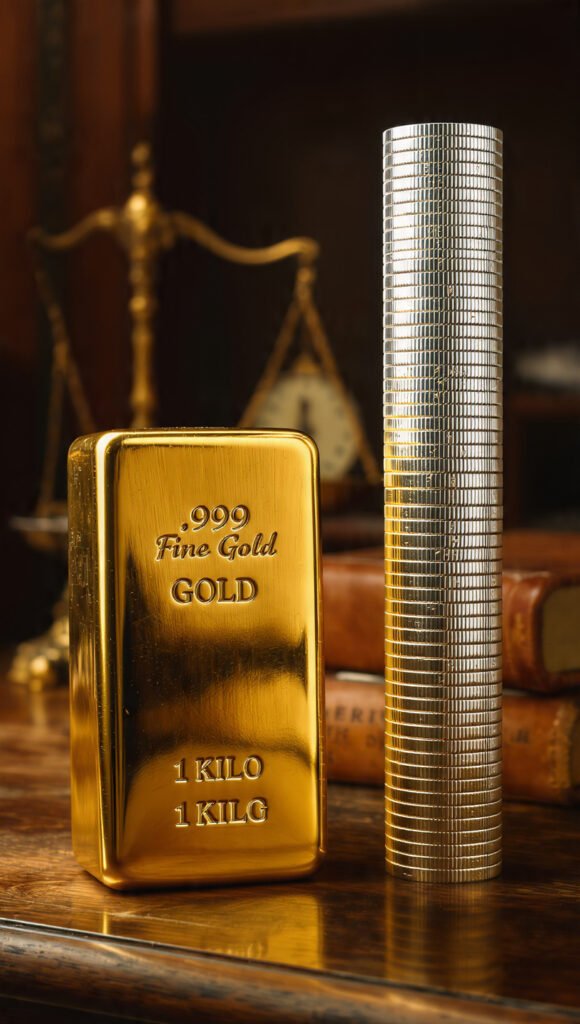
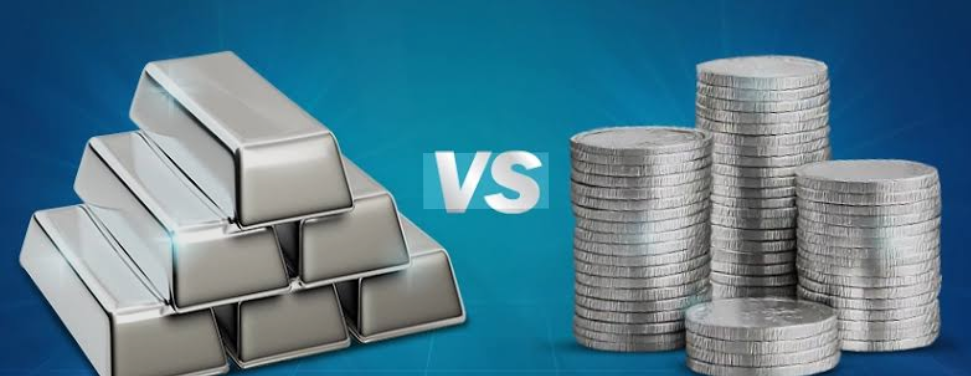
    1. Introduction: The Great Silver Debate of 2026

    As silver prices test new highs in 2026, the question for every StackSilverSmart (SSS) investor remains the same: Should I buy bars or coins?

    In a market characterized by high volatility and a growing industrial supply deficit, the “best” choice depends entirely on your exit strategy. Are you looking for the lowest price-per-ounce to build a massive “wealth wall,” or do you want the recognizability and legal tender status of sovereign coins? This guide breaks down the math, the psychology, and the market reality of 2026 silver investing.


    2. Silver Coins: The “Gold Standard” of Liquidity

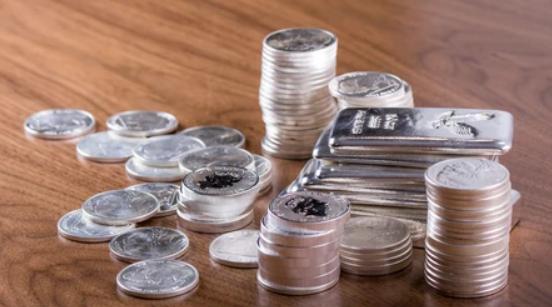
    Silver coins, specifically “sovereign” or “government-minted” coins like the American Silver Eagle or the Canadian Silver Maple Leaf, are the most recognizable form of silver on the planet.

    Why Coins Win in 2026

    • Legal Tender Status: They carry a face value (e.g., $1 USD or $5 CAD). While you’d never spend them at the grocery store for a dollar, this status offers certain legal and tax protections in many jurisdictions.
    • High Liquidity: You can walk into any coin shop in the world and sell a Silver Eagle in seconds. In 2026, with FOMO (Fear Of Missing Out) driving new buyers into the market, these coins are in high demand.
    • Anti-Counterfeiting: Modern 2026 coins feature advanced security like micro-engraving (Maples) and radial lines that bars often lack.

    The Downside: The “Premium Trap”

    The biggest hurdle for coin buyers in 2026 is the premium. Because mints are struggling to keep up with demand, the “markup” over spot price for a Silver Eagle can sometimes reach 30% or 40%. You are paying for the brand, not just the metal.


    3. Silver Bars: The Value Play for Serious Stackers

    If your goal is purely wealth accumulation, silver bars are almost always the superior choice.

    Why Bars Win in 2026

    • Maximum Ounces for Your Dollar: Bars carry the lowest premiums. When you buy a 100 oz bar, you aren’t paying for intricate art; you are buying raw industrial wealth.
    • Storage Efficiency: Bars stack perfectly. You can store $50,000 worth of silver bars in a much smaller safe than the equivalent value in tubed coins.
    • Variety of Sizes: From 1 oz “pocket pieces” to 1,000 oz “comex” bars, there is a size for every budget level.

    The Downside: Liquidity Hurdles

    Selling a 100 oz bar is slightly harder than selling 100 individual coins. Many dealers will require an “assay test” (ultrasonic testing) to ensure the bar isn’t lead-filled, which can take time and sometimes involve a small fee.


    4. Head-to-Head Comparison: 2026 Market Data

    FeatureSovereign CoinsSilver Bars (10 oz+)
    Typical Premium15% – 40%3% – 10%
    LiquidityExtreme (Worldwide)High (Local/Dealer)
    Security FeaturesAdvanced (Holograms/Lines)Basic (Hallmarks/Assay)
    Legal TenderYesNo
    Best ForBeginners & “Preppers”Wealth Accumulation & IRAs

    5. The 2026 “Junk Silver” Wildcard

    Don’t forget “Junk Silver” (pre-1965 US dimes and quarters). In the 2026 market, these are becoming a favorite for those worried about currency devaluation because they are already “fractional” and easily divisible for small transactions.


    6. SSS Expert Verdict: The “60/40” Split

    For a balanced 2026 portfolio, we recommend the 60/40 Split:

    • 60% in Silver Bars: (Mostly 10 oz and Kilo sizes) to keep your average cost-per-ounce low.
    • 40% in Sovereign Coins: (Maples or Britannias) for emergency liquidity and ease of transport.

    7. FAQ: Common Questions for 2026

    Q: Are Silver Eagles worth the high premium?

    A: Only if you value high liquidity and US government backing. If you just want silver, choose Maples or Britannias, which often have lower premiums.

    Q: Do I have to pay tax on silver bars?

    A: This depends on your state or country. Many US states exempt “bullion” (bars) from sales tax if the purchase is over a certain amount (e.g., $1,500).

  • The 7 Biggest Mistakes New Silver Buyers Make: An Expert Guide


    Entering the world of physical precious metals is one of the most empowering financial moves you can make. It is a transition from “paper wealth” to “tangible wealth.” However, for many at StackSilverSmart.com (SSS), the initial journey is often marked by expensive lessons that could have been easily avoided.

    Whether you are a pre-retirement investor protecting your savings from inflation or a younger tech-stacker diversifying out of digital assets, the physical silver market has its own set of rules. Unlike stocks, where a click of a button settles a trade, silver involves physical logistics, premiums, and security.

    In this comprehensive guide, we analyze the seven most common pitfalls that drain the portfolios of new buyers and show you exactly how to avoid them.


    1. Quick Answer (TL;DR)

    The most costly mistakes for new silver buyers include:

    1. Buying Numismatics Instead of Bullion: Paying massive markups for “rarity” when you only need silver weight.
    2. Ignoring the Premium: Failing to calculate the percentage over spot price.
    3. Panic Buying (FOMO): Buying at the peak of a price spike rather than “dollar-cost averaging.”
    4. Buying from Unverified Sources: Falling for social media ads or “too good to be true” prices (counterfeit risk).
    5. Small, Frequent Orders: Getting “nickel-and-dimed” by shipping costs and sales tax thresholds.
    6. Improper Storage & Handling: Lowering the resale value through damage or using uncertified safes.
    7. Lacking an Exit Strategy: Buying silver without knowing exactly who will buy it back and at what “spread.”

    2. Understanding the Question: Why Do Newbies Get “Burned”?

    The primary reason new investors lose money in silver isn’t because the price of silver drops; it’s because they lose too much capital in the transactional phase.

    When you buy silver online, you are participating in a global market that operates on thin margins. Experienced “stackers” know that the goal is to get as much metal as possible for the least amount of currency. Beginners, however, are often distracted by beautiful designs, flashy marketing, or the fear of missing out on a price run.

    By identifying these seven mistakes, you transition from a “consumer” of silver to an “investor” in silver.


    3. Detailed Explanation: The 7 Biggest Mistakes

    Mistake #1: The “Numismatic Trap” (Collector vs. Investor)

    This is the #1 wealth-killer for beginners. You see a beautiful, limited-edition coin with a “certified” grade of MS-70. It costs $100, even though there is only $30 worth of silver inside.

    • The Error: You are paying a $70 premium for “rarity.”
    • The Reality: When you go to sell that coin during a financial crisis, the buyer may only offer you the “melt value” of the silver.
    • SSS Expert Advice: If you want to protect your wealth, buy bullion (low-premium bars and rounds). Leave the rare coins to the professional hobbyists.

    Mistake #2: Ignoring the “Spread” and Premiums

    A premium is the dealer’s markup. For example, if silver is $30/oz and you pay $36/oz, your premium is $6.

    To calculate your percentage premium, use this formula:

    How to Calculate Your Premium (The Easy Way):

    To find out exactly how much extra you are paying over the market price, use this simple formula:

    1. Price Paid minus Spot Price = The Markup
    2. The Markup divided by Spot Price = The Decimal
    3. The Decimal times 100 = Your Premium Percentage

    Example: If you buy a silver round for $36 when the spot price is $30:

    • $36 – $30 = $6 markup
    • $6 / $30 = 0.20
    • 0.20 x 100 = 20% Premium
    • The Error: Many beginners pay 30-40% premiums without realizing they are starting their investment 40% “in the red.”

    Mistake #3: Panic Buying (FOMO)

    Silver is a volatile “emotional” metal. When the news reports that silver is “skyrocketing,” beginners rush to buy.

    • The Error: This is usually when premiums are highest and supply is lowest.
    • The Reality: Smart stackers buy when the news is quiet and the price is “boring.”

    Mistake #4: Falling for Social Media “Deals”

    We see them everywhere: Facebook and Instagram ads offering silver at or below spot price.

    • The Error: Assuming there is a “secret deal” the rest of the market doesn’t know about.
    • The Reality: Physical silver is a commodity with a global price. No one sells it for less than it’s worth. These ads almost always lead to high-quality counterfeit (silver-plated lead or tungsten) products.

    Mistake #5: Small, Frequent Orders (The Shipping Trap)

    Buying one ounce of silver every week feels productive, but it is mathematically inefficient.

    • The Error: Paying $9.99 shipping on a $35 order.
    • The Reality: That shipping cost adds ~28% to your cost basis. Furthermore, in states like CA or NY, small orders trigger sales tax, whereas orders over $1,500 are tax-exempt. (Refer to our “How to Buy Silver Without Paying Sales Tax” guide).

    Mistake #6: Touching the Metal (Improper Handling)

    New buyers love to “feel the weight” of their silver.

    • The Error: Taking silver coins out of their protective capsules and touching them with bare hands.
    • The Reality: The oils in your skin contain sulfur, which causes rapid, ugly tarnishing (milk spots). While it doesn’t change the silver content, it can make it harder to sell to a private buyer who wants “pretty” coins.

    Mistake #7: No “Exit Strategy”

    Most beginners spend 100 hours researching how to buy and 0 hours researching how to sell.

    • The Error: Not knowing the “Buy-Back” price of your dealer.
    • The Reality: If your dealer charges high premiums to buy but offers low prices to sell, your “total cost of ownership” is too high.

    4. Key Characteristics: Bullion vs. Numismatics

    FeatureInvestment Grade BullionNumismatic (Collector) Coins
    Primary ValueSilver WeightRarity/Historical Significance
    Typical Premium5% to 15%50% to 500%+
    LiquidityHigh (Instant sale)Low (Requires a specific collector)
    Price MovementTracks with Spot SilverTracks with Market Demand/Trends
    Recommended For90% of SSS ReadersAdvanced Hobbyists Only

    5. Real-World Examples

    The “TikTok” Victim

    A 28-year-old tech worker sees a video about the “Silver Squeeze” and rushes to a local pawn shop. They buy 10 “Limited Edition” silver rounds for $50 each when spot is $30. Six months later, silver is $35. They think they made a profit, but when they go to sell, the shop offers them $32 per round. They lost $18 per ounce despite the market price going up.

    The “Sales Tax” Blunder

    A pre-retirement investor in New York buys $900 worth of silver every month. They pay 8.8% sales tax on every purchase. Over a year, they spend $10,800 but pay $950 in taxes. If they had simply made two purchases of $5,400, they would have saved nearly $1,000 in tax, which could have bought them an extra 30+ ounces of silver.


    6. Benefits and Advantages of “Smart Stacking”

    When you avoid these seven mistakes, you gain three massive advantages:

    1. Lower Cost Basis: You reach “profitability” much sooner as the silver price rises.
    2. Higher Liquidity: Because you own recognizable, high-quality bullion, you can sell your metal anywhere in the world in minutes.
    3. Peace of Mind: You aren’t constantly checking the “grade” or “condition” of your coins; you simply know you have X ounces of pure wealth.

    7. Related Concepts

    Dollar-Cost Averaging (DCA)

    Instead of panic buying, the SSS expert method is DCA. You commit to buying a certain dollar amount (e.g., $500) every month, regardless of the price. This ensures you buy more ounces when prices are low and fewer when prices are high, lowering your average cost over time.

    The “Sigma” Test

    For those worried about counterfeits (Mistake #4), the “Sigma Metalytics” is the gold standard of home testing. It uses electromagnetic waves to verify the metal’s purity without even taking it out of the plastic packaging.

    Secondary Market Silver

    One of the best ways to avoid high premiums is to buy “Secondary Market” bars. These are bars that were previously owned by another investor. They might have a few scratches, but the silver is just as pure, and the premiums are often the lowest in the industry.


    8. Conclusion

    At stacksilversmart.com, we want you to be a “Smart Stacker,” not just a “Silver Buyer.” By avoiding the numismatic trap, staying away from too-good-to-be-true social media deals, and being mindful of premiums and taxes, you are already ahead of 90% of the people entering this market.

    Silver is a marathon, not a sprint. Take your time, verify your sources, and always keep your “all-in” cost per ounce as low as possible.


    9. Frequently Asked Questions (FAQ)

    Should I buy silver now or wait for the price to drop?

    No one can time the market perfectly. The “expert” approach is to buy a small amount now to establish a position, and then add more if the price dips. This is known as “averaging in.”

    Is “junk silver” a mistake for beginners?

    No! “Junk silver” (pre-1965 U.S. coins) is actually one of the smartest ways for beginners to buy. It has low premiums, is government-minted, and is highly recognizable.

    How do I know if a website is a scam?

    Check the “Contact Us” page. Does it have a physical address and a real phone number? Call the number. If no one answers or it’s a generic voicemail, stay away. Also, check the domain age—scam sites are usually only a few months old.

    Can I clean my silver if it gets tarnished?

    NEVER clean your silver coins. Even a soft cloth can leave micro-abrasions that “numismatic” buyers hate. For bullion bars, a little tarnish doesn’t matter, but for coins, cleaning them will almost always reduce their resale value.

    What is the best silver bar size for a beginner?

    The 10 oz Silver Bar is the universal favorite. It offers a significantly lower premium than 1 oz rounds but is much easier to sell than a massive 100 oz bar.


    Authored by the stacksilversmart.com Editorial Team

  • Silver Bars vs. Silver Coins: The Ultimate Stacker’s Guide

    When building a precious metals portfolio, one of the first crossroads you will encounter is the “form factor” of your investment. Do you buy the sleek, industrial utility of a silver bar, or the storied, government-backed prestige of a silver coin?

    For many, determining what is the best way to buy silver online? starts with understanding these two distinct paths. While both represent ownership of a physical asset, the choice between bars and coins can significantly impact your “all-in” cost, your ease of storage, and your ability to sell quickly when the market peaks.


    1. Quick Answer (TL;DR)

    If your goal is to acquire the maximum amount of silver for the lowest possible price, buy silver bars (specifically 10 oz or 100 oz sizes). Bars offer the lowest premiums over the spot price.

    If your goal is maximum liquidity, government-backed security, and ease of trade in small increments, buy sovereign silver coins (like American Eagles or Canadian Maples). Coins carry higher premiums but are more widely recognized and easier to sell in a pinch.


    2. Understanding the Question: Why Form Factor Matters

    In the precious metals world, you aren’t just paying for the metal; you are paying for the fabrication. Every piece of silver must be refined, minted or cast, assayed for purity, and shipped.

    • Silver Bars are essentially “industrial” silver. They are designed for efficient storage and low-cost production. They are the favorite of high-net-worth investors and “stackers” who prioritize total weight above all else.
    • Silver Coins are “currency” silver. They are minted by government entities, have a face value, and are often treated as legal tender. They appeal to those who value the “trust” that comes with a government stamp.

    Deciding between them requires balancing your need for low entry costs against your need for high resale confidence.


    3. Detailed Explanation: The Core Differences

    Premiums: The Cost of Craftsmanship

    The “premium” is the dollar amount you pay above the current market spot price.

    • Bars: Because bars are easier to produce (especially “cast” bars that are poured into molds), they have lower premiums. You might pay $1.50 to $2.50 over spot per ounce for a large bar.
    • Coins: Minting a coin involves intricate designs and higher security standards. Consequently, you might pay $4.00 to $9.00 over spot per ounce for sovereign coins.

    Liquidity and Resale

    Liquidity refers to how fast you can turn your silver back into cash.

    Sovereign coins are highly liquid. A local coin shop will buy an American Eagle without a second thought. Large bars (like 100 oz or 1000 oz) may require an “assay” or testing by the buyer to prove they aren’t filled with lead, which can slow down the selling process.

    Legal Tender and Taxes

    In many regions, government-issued coins are considered legal tender. This can sometimes offer tax advantages, as they are not always subject to the same capital gains reporting as “bullion bars.” Always consult a tax professional, but for many pre-retirement investors, the legal status of coins offers a layer of regulatory comfort.


    4. Key Characteristics: Comparison Table

    FeatureSilver Bullion BarsSovereign Silver Coins
    Primary GoalLow cost per ounceHigh liquidity & trust
    Typical Sizes1 oz, 10 oz, 100 oz, 1 kg1 oz
    PremiumsLowestHigher to Very High
    Counterfeit RiskModerate (Buy from top refiners)Low (Advanced security features)
    Storage DensityExcellent (Easily stackable)Moderate (Stored in tubes/boxes)
    BackingPrivate Mints (PAMP, Sunshine)Government Mints (US, Canada)

    5. Real-World Examples

    The “Volume Stacker”

    Imagine a 55-year-old investor moving $50,000 from a volatile stock into silver. By choosing 100 oz silver bars, they could potentially walk away with hundreds of additional ounces compared to buying American Eagles. For them, the bar is a “pure play” on the price of silver.

    The “Survivalist/Prepper”

    A prepper concerned about a local currency crisis might buy several tubes of 1 oz Silver Buffalo Rounds or Silver Philharmonics. In a barter economy, it is much easier to trade a 1 oz coin for a week’s worth of groceries than it is to try and “saw off” a piece of a 100 oz bar.

    The “Tech-Savvy Diversifier”

    A younger investor who values aesthetics might opt for 1 oz Silver Bars from high-end refiners like PAMP Suisse. These bars often come in “assay cards” (sealed plastic with serial numbers), combining the low cost of a bar with the security of a coin.


    6. Benefits and Advantages

    Advantages of Silver Bars:

    1. Uniformity: Bars are designed to be stacked. A 100 oz bar is roughly the size of a thick smartphone, making it easy to hide or store in a small safe.
    2. Price Efficiency: When silver prices spike, the person who bought bars at a $1.50 premium will see their “break-even” point much faster than the person who paid a $7.00 premium for coins.

    Advantages of Silver Coins:

    1. Divisibility: You can sell your silver “an ounce at a time.” If you only need $100, you can sell four coins. If you only own a 100 oz bar, you have to sell the whole $2,500+ asset at once.
    2. Counterfeit Deterrence: Modern coins have micro-engravings and radial lines. This gives the buyer peace of mind, which translates to a faster sale for you.

    7. Related Concepts

    “Junk” Silver (Constitutional Silver)

    Before 1965, U.S. dimes, quarters, and half-dollars were 90% silver. Many investors view “junk silver” as a middle ground between bars and coins. It has low premiums (like bars) but is government-minted and highly divisible (like coins).

    Round vs. Coin

    A “Silver Round” looks like a coin but is produced by a private mint. It lacks a face value. Rounds are essentially circular bars. They offer the price benefits of bars with the familiar shape of a coin. For those wondering what is the best way to buy silver online?, rounds are often the “secret weapon” for getting low premiums on 1 oz increments.


    8. Conclusion

    The choice between silver bars vs. silver coins ultimately depends on your “Why.”

    • If you are an investor looking to protect a large amount of wealth from inflation and intend to hold for 10+ years, Silver Bars are your best tool.
    • If you are a beginner looking for an accessible way to start, or a prepper focused on utility, Silver Coins are the gold standard of entry.

    Most successful “stackers” at stacksilversmart.com maintain a mix: 80% bars for the bulk of their wealth and 20% coins for liquidity and emergencies.


    9. Frequently Asked Questions

    Do silver bars tarnish differently than coins?

    No. Silver is silver. Both will oxidize over time if exposed to air. However, because bars are often handled more than coins, they may show “toning” faster. This does not affect the value of the silver.

    Can I include bars in a Silver IRA?

    Yes, but they must meet a minimum fineness of .999 and be produced by a COMEX or ISO 9001 certified refiner. Most reputable 10 oz and 100 oz bars qualify.

    What is the most popular bar size?

    The 10 oz Silver Bar is the “sweet spot” for most investors. It is large enough to keep premiums low but small enough to be easily sold or transported.

    Is it harder to sell a 100 oz bar?

    It isn’t “hard,” but it is more specialized. You usually won’t sell a 100 oz bar to a neighbor or a small jewelry shop. You will sell it to a major bullion dealer who has the equipment to verify its purity.

    Should I buy silver bars with serial numbers?

    Serial numbers provide an extra layer of record-keeping and security. While they don’t necessarily make the silver “worth more,” they make it much easier to track for insurance purposes or in the event of theft.


    Authored by the stacksilversmart.com Editorial Team

  • The 2026 Silver Squeeze: Why 5G and Semiconductors are the New “Vaults” for Silver Stacking.


    The 2026 Silver Market: A New Frontier As we move through 2026, the narrative around silver has shifted from a simple “inflation hedge” to an indispensable industrial powerhouse. At StackSilverSmart, we believe physical silver is the ultimate insurance for the digital age. While traditional “stacking” focuses on sovereign coins, the real price driver is currently happening inside our smartphones and 5G base stations.

    5G Infrastructure: The Silver Hungry Giant The global rollout of 5G technology has created an unprecedented demand for silver due to its unmatched electrical conductivity. Each 5G base station requires significantly more silver than previous 4G hardware. As the world transitions toward 5G telecommunications, the industrial demand for silver has reached a critical inflection point. This isn’t just about faster internet; it’s about a massive, physical consumption of the very metal we collect.

    Semiconductors and the 2026 Supply Inflection The semiconductor industry is another massive player in the “Silver Squeeze.” Silver is the DNA of the modern digital age, found in everything from advanced sensors to power management chips. Because mining production hasn’t kept pace with this rapid high-tech shift, we are seeing a 2026 supply squeeze that is forcing industrial manufacturers to compete directly with private investors for every available ounce.

    Why This Matters to Smart Stackers For those of us holding physical silver, this industrial “floor” is incredibly bullish. Unlike gold, which sits in vaults, industrial silver is consumed and often never recycled. This constant depletion of supply protects physical holders during economic volatility.

    If you are new to the world of precious metals, our mission is to empower you with data-driven insights. We focus on the intersection of silver’s historical role as sound money and its future as a critical industrial commodity.

  • Silver’s Invisible Role in 5G: Why the 2026 Tech Boom is Draining the Stack


    The Hidden Metal in Your Pocket

    While many investors focus on silver as a “safe haven” during economic shifts, there is a massive industrial force driving the market in 2026: The 5G Revolution. As global telecommunications transition to hyper-fast connectivity, silver has emerged as the most critical material for the next generation of digital infrastructure.

    Why 5G Needs Silver

    Silver is the most electrically conductive metal on Earth, making it irreplaceable for high-frequency data transmission. In 5G technology, speed and reliability are non-negotiable.

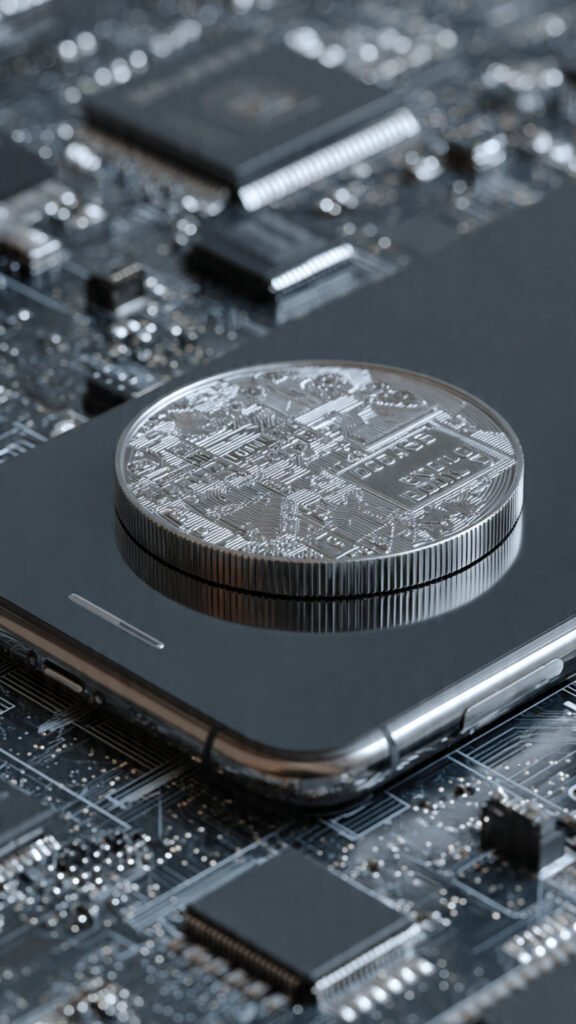
    • Semiconductor Growth: Silver is used in every semiconductor and circuit board within 5G-enabled devices to ensure zero-resistance data flow.
    • Infrastructure Expansion: Beyond smartphones, thousands of new 5G “small cell” towers are being deployed. Each tower requires silver-coated filters and specialized connectors to withstand environmental stress while maintaining peak performance.

    The 2026 Supply Squeeze

    According to industry data, silver demand for 5G and green tech is projected to grow by over 200% this decade. In 2026, industrial demand is consuming more than 55% of the annual global supply. Unlike investment bullion, the silver used in technology is rarely recycled; it is effectively “consumed” and removed from the market forever.

    What This Means for Stackers

    For the community at StackSilverSmart, this creates a powerful “price floor.” While we stack for wealth preservation, global tech giants are buying silver out of pure necessity. This industrial hunger ensures that silver remains a high-demand asset regardless of broader market fluctuations.

    Conclusion

    Silver is the bridge between traditional wealth and the high-tech future of 2026. By holding physical silver, you aren’t just holding money—you are holding the essential DNA of the digital age.

  • How to Store Silver at Home: A Guide to Safes and Security for 2026

    Introduction

    As the silver market continues its historic run in 2026, many investors at StackSilverSmart are facing a high-class problem: where to put all that physical metal? Unlike gold, which packs massive value into a small space, silver is bulky and heavy. Storing a significant silver “stack” requires more than just a shoe box under the bed. To truly protect your wealth from theft, fire, and environmental damage, you need a professional-grade home security strategy.

    1. Why Silver Storage is Different from Gold

    Before buying a safe, you must understand the “Silver Space Requirement.” At current 2026 prices, $50,000 worth of gold can fit in a pocket. However, $50,000 worth of silver could weigh over 40kg (90lbs) and fill several “monster boxes.”

    • Weight Matters: You need a storage solution that can handle the sheer mass of the metal without collapsing shelves.
    • Environmental Sensitivity: Silver is prone to tarnishing when exposed to humidity and sulfur. Your storage must be dry and airtight to preserve the resale value of your coins and bars.

    2. Choosing the Right Home Safe: The “TL” and “Fire” Ratings

    Not all safes are created equal. Many “safes” sold at big-box hardware stores are actually just fire-resistant lockboxes that a thief can pry open in minutes.

    Burglary Ratings (The “TL” Rating)

    Look for a safe with a TL-15 or TL-30 rating. This means the safe has been tested to withstand a professional attack with tools (drills, hammers, saws) for at least 15 or 30 minutes.

    • Weight as Security: A safe for silver should be too heavy to carry. Aim for a safe that weighs at least 150kg to 250kg (300-500+ lbs). If a thief can’t open it, their next move is to take the whole safe with them.

    Fire Ratings

    Silver melts at 961.8°C (1,763°F). In a typical house fire, temperatures can reach these levels quickly. Look for a safe rated for at least 1 hour of fire protection to ensure your silver doesn’t become a molten puddle before the fire department arrives.

    3. Discreet Placement: The Art of the “Hidden” Safe

    The best security is a safe that no one knows exists. Burglars typically go to the “Master Bedroom” first. Avoid placing your safe in the bedroom closet.

    • Basements and Utility Rooms: These are often better because the safe can be bolted directly into the concrete foundation.
    • The Decoy Safe: Many pro-stackers keep a small, cheap safe in a visible spot (like a closet) with $100 and some old papers inside. A burglar might grab this and leave, never knowing the “real” silver safe is hidden behind a false wall in the basement.

    4. Anchoring: The Non-Negotiable Step

    Even a 200kg safe can be moved by two strong people with a dolly. Bolting your safe to the floor is mandatory. Use heavy-duty expansion bolts to secure the safe to a concrete floor. If your home has wooden floors, ensure you are bolting into the main floor joists or wall studs.

    5. Managing the “Silver Environment”

    Silver’s biggest enemy is Tarnish. To keep your silver shiny and at “top tier” resale condition:

    • Silica Gel Packs: Always keep several large silica desiccant packs inside your safe to soak up moisture.
    • Airtight Containers: Store your coins in plastic tubes or “monster boxes” rather than loose bags.
    • Avoid Rubber and Paper: Rubber bands and certain types of paper contain sulfur, which will turn your silver black in a matter of weeks.

    6. Insurance and the “Secret” Rule

    Most standard homeowners’ insurance policies only cover about $1,000 to $2,500 in “precious metals” or “money.” If you have a $20,000 stack, you are not covered.

    • Riders and Floaters: You may need to add a specific “Scheduled Personal Property” rider to your insurance.
    • The Secret Rule: The most important rule of silver security is Discretion. Do not post pictures of your stack on social media. Do not tell your neighbors. As the saying goes: “Loose lips sink silver ships”.

    Conclusion

    Storing silver at home in 2026 offers the ultimate freedom—you are your own bank. However, that freedom comes with the responsibility of professional-level security. By investing in a high-quality TL-rated safe, bolting it to the foundation, and maintaining a dry environment, you ensure that your StackSilverSmart wealth remains yours for generations to come.

  • Physical Silver vs. Silver ETFs: Which is Safest for Your 2026 Portfolio?

    Introduction

    As silver prices experience historic volatility in early 2026—swinging between $80 and $120 per ounce—investors at StackSilverSmart are faced with a critical choice. Should you hold the metal in your hand, or is a digital “paper” claim enough? In a year marked by market wipeouts and global supply deficits, the answer depends entirely on your definition of “safety.”

    1. The Case for Physical Silver: Zero Counterparty Risk

    For many “stackers,” if you can’t hold it, you don’t own it. Physical silver (coins and bars) is the only form of investment that has zero counterparty risk.

    • The 2026 Reality: With global trade tensions and system vulnerabilities, physical silver serves as a private, tangible “Plan B.” It doesn’t require an internet connection or a functioning stock exchange to have value.
    • The Downsides: You have to pay a “premium” (price above spot) and worry about secure storage and insurance.

    2. The Case for Silver ETFs: Instant Liquidity

    Exchange Traded Funds (ETFs) like SLV or SIVR are popular because they track the silver price and trade just like a stock.

    • Speed: If silver spikes to $150 and you want to take profits instantly, you can do it with one click on your phone.
    • Cost: You avoid the high premiums of physical coins, paying only a small annual management fee (usually 0.30% to 0.50%).
    • The Risk: You are trusting a bank to actually hold the silver. In a true financial crisis, “paper silver” may not be redeemable for the real thing.

    3. Which is Right for You?

    • Choose Physical Silver if: You are investing for long-term wealth preservation, crisis insurance, or “generational” wealth.
    • Choose Silver ETFs if: You are a tactical trader looking to profit from silver’s 2026 price swings and need the ability to sell in seconds.

    Conclusion

    At StackSilverSmart, we believe the strongest portfolios often use a “Core and Satellite” approach. Keep 70% of your silver in physical form for safety, and 30% in an ETF for liquidity. In 2026, diversification isn’t just about what you buy—it’s about how you hold it.

  • Silver vs. Inflation: Why Physical Metal is the Ultimate 2026 Hedge

    Introduction

    As we navigate the economic landscape of 2026, one question dominates the minds of investors at StackSilverSmart: How do I protect my wealth from the “silent thief” of inflation? With the U.S. dollar facing continued pressure and global trade policies shifting, silver has re-emerged not just as a commodity, but as a vital protector of purchasing power.

    1. The Erosion of Fiat Currency

    Inflation isn’t just about prices going up; it’s about your money’s value going down. Historically, paper currencies have a 100% failure rate over the long term. In contrast, silver has been used as money for over 4,000 years.

    • The 2026 Reality: While the cost of a gallon of milk or a liter of fuel has soared in dollar terms, the amount of silver required to buy those same goods has remained remarkably stable.

    2. Silver’s “Real Wealth” Advantage

    Unlike a bank account or a digital stock, physical silver has no counterparty risk.

    • Tangible Security: When you hold a 1oz Silver Eagle or a 10oz bar, you own a physical asset that cannot be “printed” into oblivion by a central bank.
    • Supply Deficits: 2026 marks the sixth consecutive year of a global silver supply deficit. When inflation hits and supply is low, the price of “hard assets” like silver typically undergoes a massive upward re-rating.

    3. Silver as “Gold Squared”

    In the precious metals world, silver is often called “Gold on steroids.” During inflationary cycles, silver often outperforms gold in percentage gains.

    • Performance: With silver currently trading in the $85–$90 range in early 2026, it has outpaced many traditional “safe-haven” assets. For every 1% move in gold, silver often moves 2% or 3%, making it a powerful tool for those looking to stay ahead of the inflation curve.

    Conclusion: Your Strategy for 2026

    Protecting your purchasing power requires moving out of “melting” paper assets and into “frozen” stored value. By stacking physical silver, you aren’t just speculating on a price; you are insuring your family’s future against a volatile economy.

  • Why Silver is the “Strategic Asset” of 2026: A Guide for Smart Stackers

    Target Keyword: Silver Investment 2026, Strategic Silver Stacking, Precious Metals Outlook

    Introduction

    As we move further into 2026, the global economy is facing a unique set of challenges. While gold often grabs the headlines, “smart money” is increasingly looking at silver. Known as the “Devil’s Metal” for its volatile price swings, silver is currently positioned as a critical strategic asset for both wealth preservation and industrial growth.

    1. The Industrial Squeeze

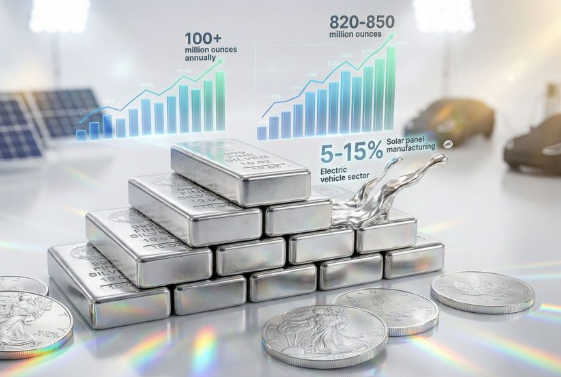
    Unlike gold, silver is a vital industrial commodity. In 2026, the demand for silver in green energy—specifically solar panels and electric vehicle (EV) components—has reached an all-time high.

    • Solar Demand: Modern photovoltaic cells require significant silver paste to conduct electricity.
    • EV Revolution: Every electric vehicle contains nearly double the amount of silver found in a traditional internal combustion engine.

    2. The Gold-to-Silver Ratio

    For veteran stackers at StackSilverSmart, the gold-to-silver ratio is the ultimate compass. Historically, when this ratio widens, silver is considered “undervalued” compared to gold. Current trends suggest that silver is coiled like a spring, ready to outperform its yellow cousin as the ratio begins to revert to its historical mean.

    3. Physical Scarcity vs. Paper Markets

    There is a growing disconnect between the “paper” price of silver on global exchanges and the “physical” premium you pay at a coin shop.

    • Mints: Government mints are reporting continued difficulty in sourcing blanks for popular coins.
    • Storage: Secure private vaults are seeing record inflows as investors move away from digital assets and back into “tangible” wealth you can hold in your hand.

    Conclusion: Is Now the Time to Stack?

    Stacking silver isn’t about getting rich overnight; it’s about financial insurance. By holding physical silver, you are opting out of the inflationary cycle and holding an asset with zero counterparty risk. Whether you are a beginner or a seasoned pro, the 2026 outlook for silver remains bright.