
For decades, traditional wealth management advice urged investors to rely heavily on paper assets, stock indices, and government debt instruments. However, an unprecedented divergence has emerged between retail portfolio strategies and the aggressive physical accumulation executed by central banks—led prominently by the People’s Bank of China and global sovereign funds.
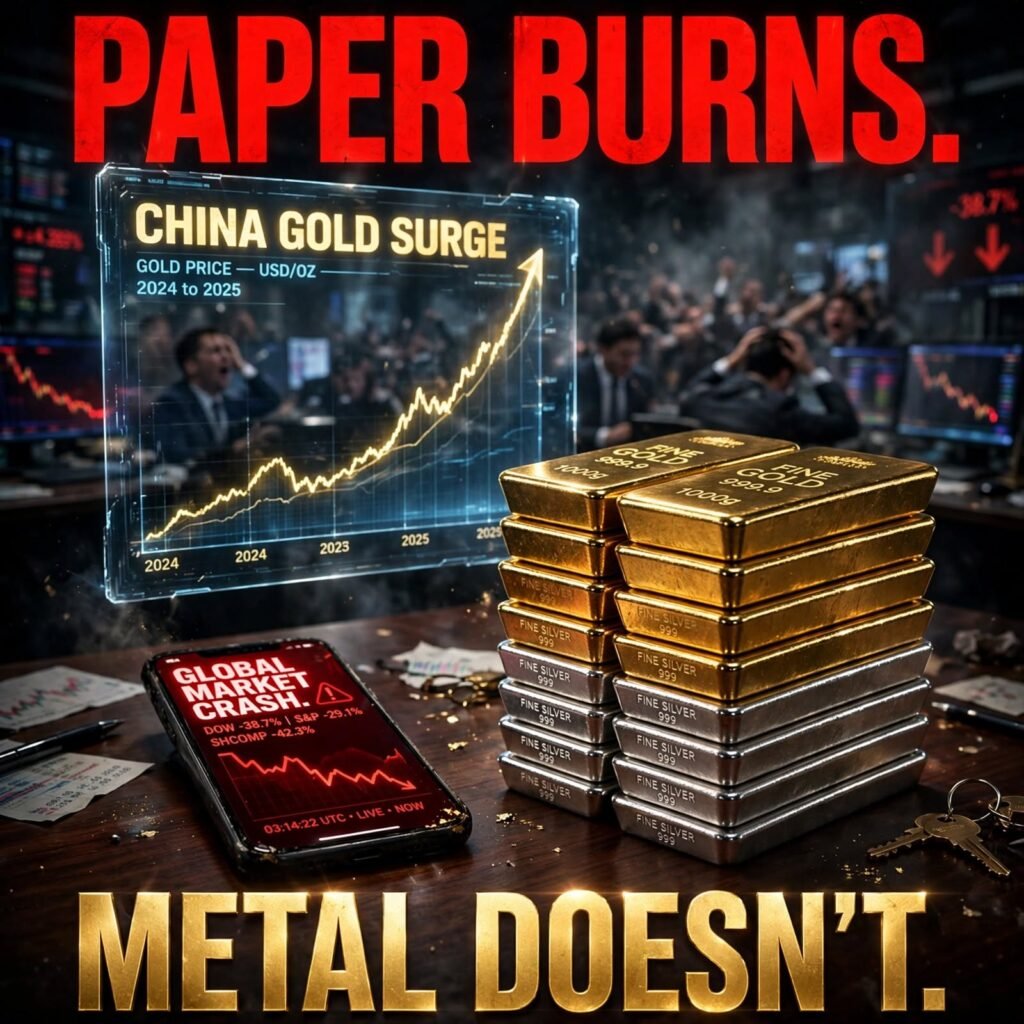
                     SOVEREIGN WEALTH ACCUMULATION TENSION

   +---------------------------------+   +---------------------------------+
   |      PAPER ECONOMY ASSETS       |   |      PHYSICAL WEALTH CORE       |
   | • Brokerage Ledger Entries      |   | • Allocated Bullion Bars        |
   | • Counterparty Debt Claims      |   | • Private Segregated Vaults     |
   | • Vulnerable to System Freezes  |   | • Zero Third-Party Liabilities  |
   +---------------------------------+   +---------------------------------+
                    \                                 /
                     \---> STRUCTURAL REALIGNMENT <---/
The Mechanics of Physical Vault Sovereignty
Real precious metals stored in your legal title at a private vault deliver genuine financial independence. Having direct access or the ability to execute a remote withdrawal request of your gold and silver guarantees that your core wealth remains completely insulated from banking system shocks, bail-in legislation, or algorithmic market meltdowns.
Analyzing the Sovereign Accumulation Surge
Recent economic data reveals that sovereign nations have been net buyers of gold for sixteen consecutive years, setting historical record accumulation rates. The rationale behind this massive capital shift includes:
- De-Dollarization Strategy: Replacing paper reserve obligations with physical, unencumbered commodities.
- Industrial & Technology Demand: Silver’s critical role in next-generation hardware, AI data centers, and renewable infrastructure creates a dual-demand driver alongside monetary value.
- Protection Against Fiat Currency Debasement: As global debt burdens expand exponentially, central banks utilize gold as the foundational anchor of their balance sheets.
Paper Promises vs. Tangible Ownership
When a market shock hits, paper claims often suffer from liquidity friction, trading halts, or severe counterparty failure. In contrast, physical bullion vaulted outside the traditional banking architecture remains liquid, tangible, and permanently under your control.
Leave a Reply