Quick Answer
While a move to $200 an ounce represents a significant increase from current 2026 levels, many analysts believe it is mathematically possible under a “perfect storm” of hyperinflation, extreme industrial shortages in the AI/Green energy sectors, and a breakdown in the gold-to-silver ratio. However, for most investors, the focus should not be on the “moonshot” price, but on silver’s proven ability to preserve purchasing power when fiat currencies fail.
Understanding the Question: Speculation vs. Reality
The question “will silver hit $200 an ounce?” is more than just a price target; it’s a reflection of the current economic anxiety felt by pre-retirement investors (ages 50–65) and tech-savvy collectors alike.
In 2026, we are seeing a massive shift in how silver is perceived. It is no longer just “poor man’s gold.” It is a critical industrial component. At StackSilverSmart, we analyze these trends to help you move from speculation to a secure, asset-backed financial strategy.
Detailed Explanation: The Path to $200
For silver to reach the $200 milestone, three specific economic levers would likely need to be pulled simultaneously:
A. The Industrial Deficit (The AI Factor)
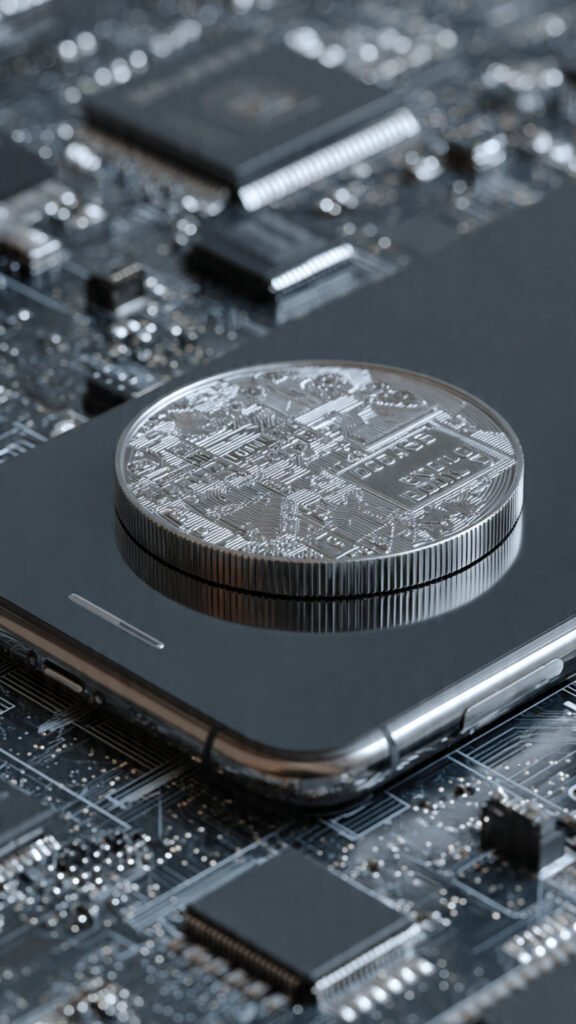
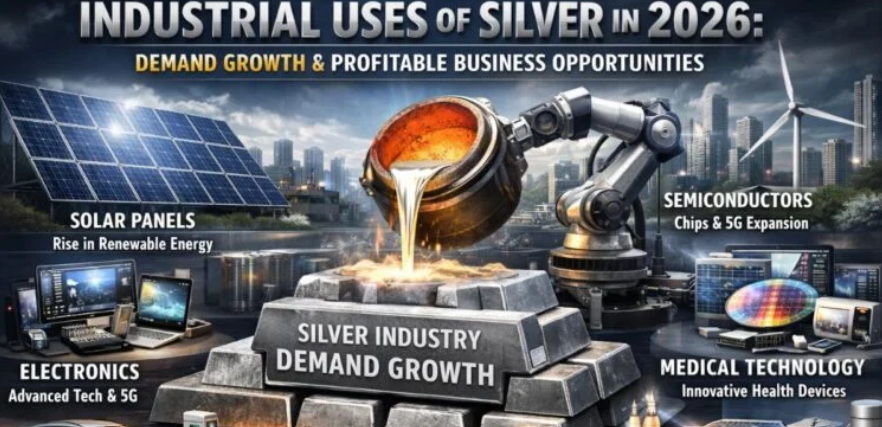
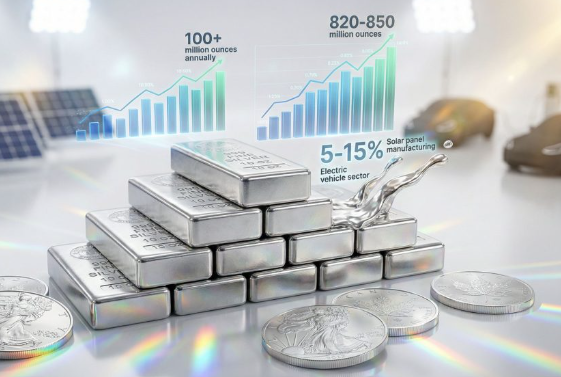
Silver is the most conductive metal on Earth. In 2026, the demand for silver in photovoltaic (solar) panels, electric vehicle (EV) batteries, and AI data center cooling systems has reached an all-time high. Unlike gold, which is mostly stored in vaults, silver is “consumed” in industry, meaning the world’s above-ground supply is constantly shrinking.+2
B. Monetary Debasement
If the US Dollar continues to lose purchasing power at the rates seen in the mid-2020s, a $200 silver price may not mean silver has become “more expensive,” but rather that the dollar has become significantly weaker. For preppers and survivalists, this is the primary reason to hold physical metal—it is a currency that cannot be printed.
C. The Gold-to-Silver Ratio Collapse
Historically, the ratio has averaged around 15:1 or 16:1. In 2026, the ratio remains much higher. If gold stays at current levels and the ratio returns to its historical mean, silver would naturally catapult toward the triple digits.
Key Points: Obstacles to the $200 Target
It is important to remain grounded. While the upside is massive, several factors act as “gravity” on the silver price:
- Paper Market Suppression: The COMEX “paper” market often trades 100x more silver than physically exists, which can artificially depress prices.
- Recessionary Pressure: While silver is an investment, it is also an industrial metal. A global manufacturing slowdown could temporarily dampen demand.
- Mining Supply: High prices often lead to new mining technology, which can increase supply and stabilize costs.
Examples and Case Studies: Historical Precedents
The 1980 Hunt Brothers Surge
In 1980, silver hit nearly $50 an ounce (which is over $180 in today’s inflation-adjusted dollars). This was driven by a cornering of the market. While $200 sounds high, we have technically been close to that “value” before when adjusted for inflation.
The 2011 Debt Ceiling Crisis
Silver again touched $50 as faith in the US Dollar wavered. In 2026, with the national debt at record highs, the “fear trade” that drove the 2011 surge is stronger than ever.
Expert Insights: The “Smart Money” View
Most institutional experts in 2026 agree that silver is undervalued compared to every other asset class (stocks, real estate, and gold).
Younger tech-savvy investors (ages 25–40) are increasingly viewing silver as “the Bitcoin of metals”—an asset with a fixed supply but massive utility in the digital age. As these investors move away from purely digital assets toward “Phygital” (Physical + Digital) security, the demand for 1 oz silver coins and bars is expected to create a supply squeeze.
Additional Resources
- The Silver Institute 2026 World Silver Survey: For data on the industrial supply deficit.
- StackSilverSmart Beginner Guides: For learning how to spot counterfeit 1 oz coins.
- Sigma Metalytics: Tools for verifying your silver at home.
8. Conclusion
Will silver hit $200 an ounce? While no one has a crystal ball, the mathematical and industrial arguments for a triple-digit silver price are stronger in 2026 than at any other time in history.
However, at StackSilverSmart, we recommend focusing on the “Ounce Count,” not the “Dollar Amount.” If you own the physical metal, you own a piece of the earth that is essential to the future of technology and human commerce. Whether it trades at $30 or $200, its value as a protector of your family’s wealth remains absolute.
Frequently Asked Questions (FAQ)
Q1: If silver hits $200, will I be able to sell it easily?
A: Yes. Silver is one of the most liquid assets in the world. High prices typically bring more buyers into the market. Reputable dealers like Noble Gold offer “no-quibble” buyback programs to ensure you can exit your position when you’re ready.
Q2: Should I buy “Junk Silver” or Bullion if I’m betting on $200?
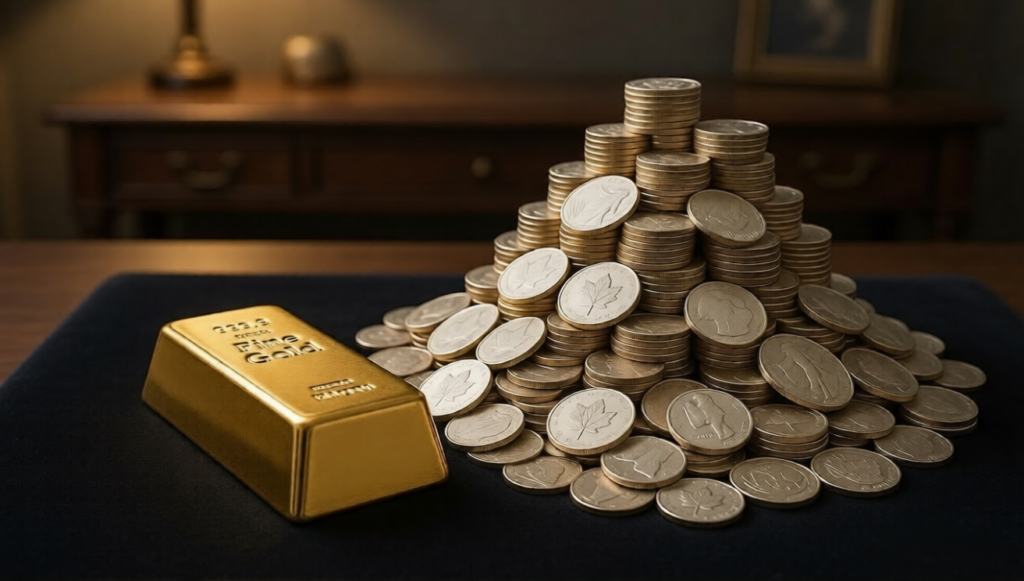
A: “Junk silver” (pre-1965 US coins) is excellent for divisibility and bartering. Bullion (pure .999 bars) is better for pure price appreciation. For most investors, a mix of both is ideal.
Q3: How do I store silver safely if the price skyrockets?
A: As the value increases, home storage becomes a security risk. We recommend using segregated, insured vault storage in locations like Texas or Delaware, which can be arranged through your silver IRA provider.