
When building a precious metals portfolio, one of the first crossroads you will encounter is the “form factor” of your investment. Do you buy the sleek, industrial utility of a silver bar, or the storied, government-backed prestige of a silver coin?
For many, determining what is the best way to buy silver online? starts with understanding these two distinct paths. While both represent ownership of a physical asset, the choice between bars and coins can significantly impact your “all-in” cost, your ease of storage, and your ability to sell quickly when the market peaks.
1. Quick Answer (TL;DR)
If your goal is to acquire the maximum amount of silver for the lowest possible price, buy silver bars (specifically 10 oz or 100 oz sizes). Bars offer the lowest premiums over the spot price.
If your goal is maximum liquidity, government-backed security, and ease of trade in small increments, buy sovereign silver coins (like American Eagles or Canadian Maples). Coins carry higher premiums but are more widely recognized and easier to sell in a pinch.
2. Understanding the Question: Why Form Factor Matters
In the precious metals world, you aren’t just paying for the metal; you are paying for the fabrication. Every piece of silver must be refined, minted or cast, assayed for purity, and shipped.
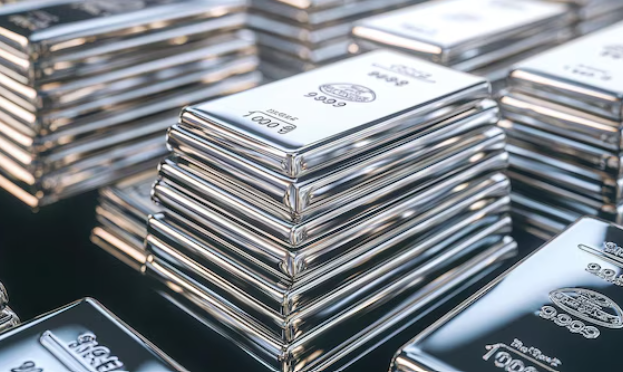
- Silver Bars are essentially “industrial” silver. They are designed for efficient storage and low-cost production. They are the favorite of high-net-worth investors and “stackers” who prioritize total weight above all else.
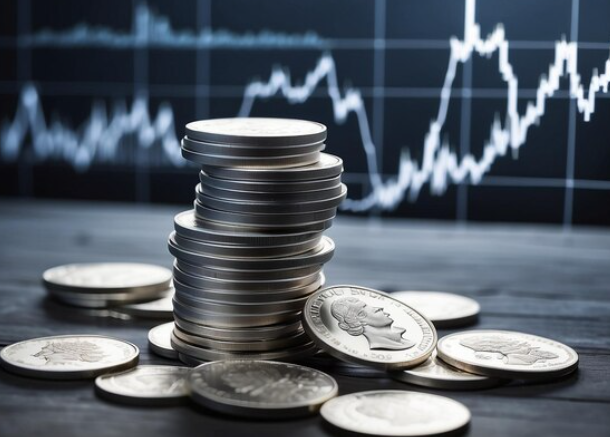
- Silver Coins are “currency” silver. They are minted by government entities, have a face value, and are often treated as legal tender. They appeal to those who value the “trust” that comes with a government stamp.
Deciding between them requires balancing your need for low entry costs against your need for high resale confidence.
3. Detailed Explanation: The Core Differences
Premiums: The Cost of Craftsmanship
The “premium” is the dollar amount you pay above the current market spot price.
- Bars: Because bars are easier to produce (especially “cast” bars that are poured into molds), they have lower premiums. You might pay $1.50 to $2.50 over spot per ounce for a large bar.
- Coins: Minting a coin involves intricate designs and higher security standards. Consequently, you might pay $4.00 to $9.00 over spot per ounce for sovereign coins.
Liquidity and Resale
Liquidity refers to how fast you can turn your silver back into cash.
Sovereign coins are highly liquid. A local coin shop will buy an American Eagle without a second thought. Large bars (like 100 oz or 1000 oz) may require an “assay” or testing by the buyer to prove they aren’t filled with lead, which can slow down the selling process.
Legal Tender and Taxes
In many regions, government-issued coins are considered legal tender. This can sometimes offer tax advantages, as they are not always subject to the same capital gains reporting as “bullion bars.” Always consult a tax professional, but for many pre-retirement investors, the legal status of coins offers a layer of regulatory comfort.
4. Key Characteristics: Comparison Table
| Feature | Silver Bullion Bars | Sovereign Silver Coins |
| Primary Goal | Low cost per ounce | High liquidity & trust |
| Typical Sizes | 1 oz, 10 oz, 100 oz, 1 kg | 1 oz |
| Premiums | Lowest | Higher to Very High |
| Counterfeit Risk | Moderate (Buy from top refiners) | Low (Advanced security features) |
| Storage Density | Excellent (Easily stackable) | Moderate (Stored in tubes/boxes) |
| Backing | Private Mints (PAMP, Sunshine) | Government Mints (US, Canada) |
5. Real-World Examples
The “Volume Stacker”
Imagine a 55-year-old investor moving $50,000 from a volatile stock into silver. By choosing 100 oz silver bars, they could potentially walk away with hundreds of additional ounces compared to buying American Eagles. For them, the bar is a “pure play” on the price of silver.
The “Survivalist/Prepper”
A prepper concerned about a local currency crisis might buy several tubes of 1 oz Silver Buffalo Rounds or Silver Philharmonics. In a barter economy, it is much easier to trade a 1 oz coin for a week’s worth of groceries than it is to try and “saw off” a piece of a 100 oz bar.
The “Tech-Savvy Diversifier”
A younger investor who values aesthetics might opt for 1 oz Silver Bars from high-end refiners like PAMP Suisse. These bars often come in “assay cards” (sealed plastic with serial numbers), combining the low cost of a bar with the security of a coin.
6. Benefits and Advantages
Advantages of Silver Bars:
- Uniformity: Bars are designed to be stacked. A 100 oz bar is roughly the size of a thick smartphone, making it easy to hide or store in a small safe.
- Price Efficiency: When silver prices spike, the person who bought bars at a $1.50 premium will see their “break-even” point much faster than the person who paid a $7.00 premium for coins.
Advantages of Silver Coins:
- Divisibility: You can sell your silver “an ounce at a time.” If you only need $100, you can sell four coins. If you only own a 100 oz bar, you have to sell the whole $2,500+ asset at once.
- Counterfeit Deterrence: Modern coins have micro-engravings and radial lines. This gives the buyer peace of mind, which translates to a faster sale for you.
7. Related Concepts
“Junk” Silver (Constitutional Silver)
Before 1965, U.S. dimes, quarters, and half-dollars were 90% silver. Many investors view “junk silver” as a middle ground between bars and coins. It has low premiums (like bars) but is government-minted and highly divisible (like coins).
Round vs. Coin
A “Silver Round” looks like a coin but is produced by a private mint. It lacks a face value. Rounds are essentially circular bars. They offer the price benefits of bars with the familiar shape of a coin. For those wondering what is the best way to buy silver online?, rounds are often the “secret weapon” for getting low premiums on 1 oz increments.
8. Conclusion
The choice between silver bars vs. silver coins ultimately depends on your “Why.”
- If you are an investor looking to protect a large amount of wealth from inflation and intend to hold for 10+ years, Silver Bars are your best tool.
- If you are a beginner looking for an accessible way to start, or a prepper focused on utility, Silver Coins are the gold standard of entry.
Most successful “stackers” at stacksilversmart.com maintain a mix: 80% bars for the bulk of their wealth and 20% coins for liquidity and emergencies.
9. Frequently Asked Questions
Do silver bars tarnish differently than coins?
No. Silver is silver. Both will oxidize over time if exposed to air. However, because bars are often handled more than coins, they may show “toning” faster. This does not affect the value of the silver.
Can I include bars in a Silver IRA?
Yes, but they must meet a minimum fineness of .999 and be produced by a COMEX or ISO 9001 certified refiner. Most reputable 10 oz and 100 oz bars qualify.
What is the most popular bar size?
The 10 oz Silver Bar is the “sweet spot” for most investors. It is large enough to keep premiums low but small enough to be easily sold or transported.
Is it harder to sell a 100 oz bar?
It isn’t “hard,” but it is more specialized. You usually won’t sell a 100 oz bar to a neighbor or a small jewelry shop. You will sell it to a major bullion dealer who has the equipment to verify its purity.
Should I buy silver bars with serial numbers?
Serial numbers provide an extra layer of record-keeping and security. While they don’t necessarily make the silver “worth more,” they make it much easier to track for insurance purposes or in the event of theft.
Authored by the stacksilversmart.com Editorial Team
Leave a Reply