
1. Quick Answer
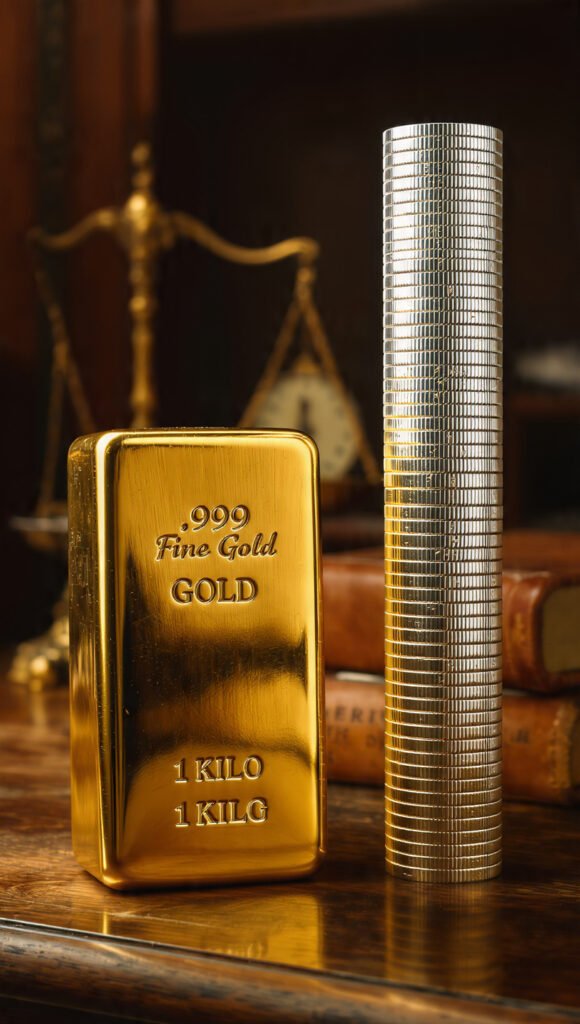
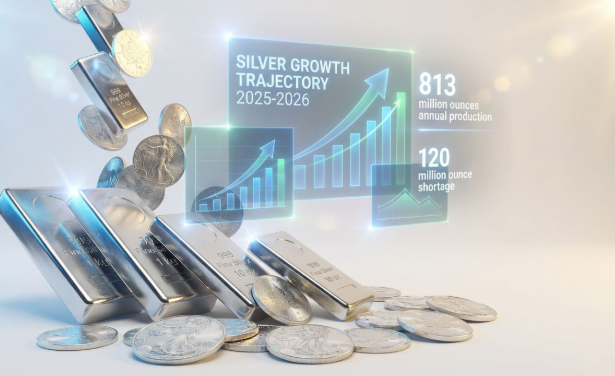
In 2026, silver’s “strategic positioning” comes from its dual identity as a critical industrial fuel for the AI revolution and a Tier-1 monetary hedge. With seven consecutive years of supply deficits and a projected 120-million-ounce shortage, the “competitive advantage” of silver lies in its massive undervaluation compared to gold and equities. For the smart investor, silver isn’t just a commodity; it’s a high-velocity play on the future of energy and money.
2. The 2026 Macro Landscape: Why Silver, Why Now?
As we navigate 2026, the global economy has hit a “perfect storm.” While traditional stock markets trade at eye-watering valuations, precious metals—specifically silver—occupy an entirely different risk-reward spectrum.
For our community of pre-retirement investors (ages 50–65) and younger tech-savvy stackers, the “Paper vs. Physical” divide has never been more obvious. Silver has suffered through decades of institutional underperformance, but 2026 marks the year where fundamental value finally breaks the chains of market manipulation.
3. The Industrial “Squeeze”: Silver is the New Oil
Unlike gold, which is mostly held in vaults, silver is consumed. In 2026, industrial applications represent a staggering 59% of total silver consumption.
A. The AI and Data Center Explosion
Artificial Intelligence isn’t just software; it’s hardware. Every server, every semi-conductor, and every data center cooling system built in 2026 requires silver’s superior conductivity. This demand is “price-inelastic”—tech giants will buy silver at $30, $50, or $100 because their multi-billion-dollar infrastructures literally cannot function without it.
B. The Solar Mandate
Photovoltaic (solar) manufacturing remains a structural driver. By 2026, global solar installations have expanded at a compound annual growth rate exceeding 20%. Each panel requires roughly 20 grams of silver paste. As governments push for carbon neutrality, they are effectively mandating a massive, non-negotiable silver drain.
4. Supply Constraints: The Byproduct Trap
A critical “competitive advantage” for silver holders is the structural limitation of silver mining. Approximately 70% of silver is produced as a byproduct of lead, zinc, and copper mining.
- The Trap: If the price of silver doubles tomorrow, miners cannot simply “turn on more silver.” They have to mine more copper or lead first.
- The Result: Silver supply is “inelastic.” It cannot react quickly to price spikes, leading to the explosive “vertical moves” we see in silver bull markets.
5. Market Psychology: From “Hated” to “Holy Grail”
Historical analysis shows that silver endured two brutal bear markets: 1980–2001 (a 90% drop) and 2011–2020 (a 70% drop). These decades of pain created a deeply embedded “negative sentiment”.
In early 2026, we are seeing the “Hated Investment” transition into the “Must-Have Asset.” While retail investors are just now waking up, institutional “smart money” has been quietly accumulating physical silver since late 2025, when the metal advanced 50% with almost zero media coverage.
6. Volatility: Your Secret Weapon
Many beginners fear silver’s volatility. At StackSilverSmart, we teach you to embrace it.
- Gold is the Shield: It provides steady, low-volatility appreciation (avg. 4.81% annually).
- Silver is the Sword: It has higher volatility but historically offers superior gains during precious metals bull markets.
In 2026, silver’s higher “beta” means that when gold moves 10%, silver often moves 20% or 30%. For growth-oriented portfolios, this is an asymmetric opportunity you cannot find in traditional bonds or savings accounts.
7. Strategic Allocation Framework
How much silver should you actually own in 2026? Based on market cycle analysis, we recommend three distinct frameworks:
- Conservative (The Wealth Protector): 70% Gold / 30% Silver.
- Balanced (The 2026 Standard): 50% Gold / 50% Silver.
- Growth-Oriented (The Silver Squeezer): 30% Gold / 70% Silver.
Silver’s current pricing ($35–$64 range) compared to gold’s $4,000+ levels allows for much more “granular” position management. You can Dollar-Cost Average (DCA) into silver with $500 a month, whereas gold requires a much larger “buy-in”.
8. Price Targets: Parity and The $200 Moonshot
Where is this going? Professional 2026 forecasting suggests three tiers of appreciation:
- Conservative Target ($42–$47): A simple recovery based on current inflation and industrial demand.
- Historical Parity ($185): Where silver should be if it matched gold’s performance since the 1971 dollar decoupling.
- Speculative Target ($200+): The result of an “industrial panic” where tech companies scramble to secure silver at any price to keep their AI factories running.
9. Conclusion: The Final Word for 2026
Silver is no longer just a “hobby” for collectors; it is a strategic requirement for the modern investor. The competitive advantage of silver in 2026 is its unique position at the intersection of monetary fear and technological necessity.
By securing physical silver today, you are not just buying a metal—you are buying a seat at the table for the most significant industrial and monetary shift of our lifetime.
10. Frequently Asked Questions (FAQ)
Q: Why is silver better than crypto in 2026?
A: While crypto is digital scarcity, silver is physical scarcity with utility. You cannot build a solar panel out of Bitcoin. In a 2026 world where energy and hardware matter most, tangible assets provide a floor that digital assets simply don’t have.
Q: What is the best way to buy silver for my retirement?
A: For most Americans, a Silver IRA is the most tax-efficient method. It allows you to hold physical bullion in a secure, IRS-approved vault while keeping your tax-deferred status.
Q: How do I handle the storage and insurance of silver?
A: If you buy through a reputable dealer like Noble Gold, they can arrange for segregated storage in high-security vaults (like the ones in Texas), which includes full insurance and regular auditing.
Leave a Reply