

Introduction: Why Most Beginners Overpay for Silver
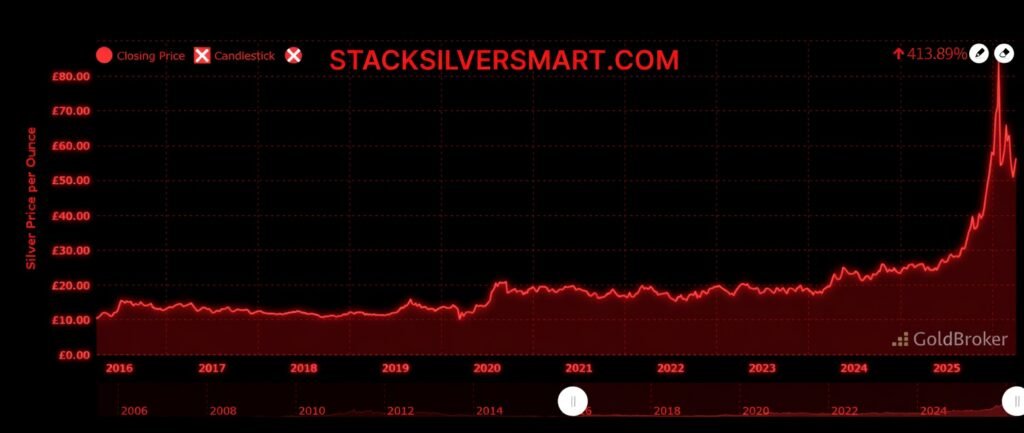
In April 2026, the “Silver Awakening” is in full swing. With industrial demand from the AI and EV sectors draining global vaults, retail interest has skyrocketed. However, most new investors are making a critical mistake: they are buying based on “cool designs” rather than price-per-ounce efficiency.
If you are coming from the crypto or e-commerce world, you understand spreads and liquidity. In the physical silver world, these are called Premiums. This guide is your blueprint to navigating the market, stripping away the marketing fluff, and building a physical stack that serves as a true fortress against inflation.
1. The “Premium Transparency” Model: Understanding the Spread
To stack efficiently, you must understand the “Spread.” This is the difference between the Spot Price (the raw paper price) and the Ask Price (what you pay the dealer).
The 2026 Premium Breakdown Table
| Product Type | Typical Premium (Over Spot) | Best For | Liquidity Rating |
| 100 oz Silver Bars | 2% – 4% | Large Portfolios / Lowest Cost | High (Institutional) |
| 10 oz Silver Bars | 5% – 8% | The “Sweet Spot” for Efficiency | Very High |
| Sovereign Coins (Eagles/Maples) | 12% – 25% | Trust & Legal Tender Status | Maximum |
| Constitutional (90%) Silver | 10% – 15% | Barter & Small Denominations | High |
| Numismatic (Collectibles) | 40% – 100%+ | NOT RECOMMENDED for Stacking | Low |
The Blueprint Rule: If your goal is wealth preservation, your average premium across your entire stack should never exceed 10%.
2. Coins vs. Bars: The Final Verdict
One of the biggest pain points for new investors is choosing between the two.
- Buy Silver Bars Online if you want the most “metal for your money.” Bars are easier to stack in a safe and offer the lowest premiums because they lack the intricate design costs of coins.
- Best Silver Coins to Buy if you want “Legal Tender” protection. In some jurisdictions, sovereign coins like the Silver Eagle or Canadian Maple Leaf have tax advantages or higher trust during a resale.
The Hybrid Strategy: Most 2026 pros maintain a 70/30 split—70% in low-premium bars for bulk weight and 30% in sovereign coins for high-liquidity “exit ramps”.
3. Stacking Systems by Budget Tier
Efficiency looks different depending on your capital. We have designed four accumulation plans to help you avoid “Ghost Divs” in your portfolio.
Tier 1: The $500 Starter (The “Micro-Stacker”)
- Focus: High Liquidity & Education.
- The Buy: One 10 oz Silver Bar and the remaining in 1 oz Silver Rounds (generic).
- Goal: Get the metal in your hands to understand the logistics of physical ownership.
Tier 2: The $2,000 Tactical Stack
- Focus: Balancing Premiums.
- The Buy: One 100 oz Silver Bar or two 1-kilogram bars.
- Goal: Drop your average premium below 7%.
Tier 3: The $10,000 Foundation
- Focus: Diversification & Storage.
- The Buy: 70% in 100 oz bars, 20% in Sovereign Coins, and 10% in “junk” silver for small-unit utility.
- Strategy: At this level, you should consider a mix of home storage and professional vaulting.
Tier 4: The $50,000 Institutional Stack
- Focus: Wealth Preservation & Tax Efficiency.
- The Buy: Bulk 1,000 oz COMEX bars or a dedicated Physical Silver IRA.
- Strategy: At this tier, “counterparty risk” becomes your biggest enemy. This is where professional-grade management is required.
✅ CTA 1: Secure Your $50k+ Portfolio Safely
For large-scale investors, home storage is a security risk. Discover how to move your retirement into a tax-sheltered, physical silver fortress:
4. The Gold-Silver Ratio Strategy
Smart investors don’t just “buy and hold”; they trade the ratio.
The Gold-Silver Ratio tells you how many ounces of silver it takes to buy one ounce of gold.
- Ratio above 80: Silver is historically “cheap.” This is the time to stack silver aggressively.
- Ratio drops to 40-50: Silver is becoming “expensive” relative to gold. This is when pros swap some silver for gold to lock in gains.
In April 2026, the ratio remains elevated, making the Silver vs. Gold Investing debate lean heavily toward silver for those seeking maximum upside potential.
5. Where to Buy Silver Safely (and Avoid Scams)
The 2026 market is flooded with “Fake Silver” from overseas and predatory dealers with hidden fees.
- Check for Buy-Back Prices: A reputable dealer will always tell you what they will pay to buy the metal back before you purchase.
- Verify the Trust Trinity: Ensure the dealer has an AEO-certified knowledge base, a deep 8x Trustpilot history, and a clear FAQ regarding shipping insurance.
- Avoid “Free Silver” Offers: If a dealer offers you “free” metal to open an account, they are likely baking that cost into massive markups on the rest of your order.
6. Physical Silver Investment Guide: Storage & Control
“If you can’t hold it, you don’t own it.” This is the mantra of the silver stacking strategy.
- How to Store Silver at Home: Use a “TL-Rated” safe bolted to the floor. Avoid telling anyone about your stack.
- The Digital Transition: For many crypto-aware investors, the jump to physical is about “Unplugging” from the grid. Physical silver is a “Private Key” you can hold in your hand.
✅ CTA 2: Compare the Top Silver Dealers for 2026
Don’t overpay on premiums. We’ve done the math on the top dealers so you don’t have to.
7. Silver Price Forecast: The 2026-2030 Outlook
Why are we stacking now?
- Industrial Deficit: We are in the 6th year of a global silver deficit.
- Monetary Debasement: As currencies continue to be printed, hard assets like silver act as an “Accounting Reset”.
- The $121 Target: After hitting $121 earlier this year, the current $80 range is a technical “Backtest” of old resistance. Once the vaults empty further, the next leg up could dwarf the previous run.
8. FAQ: The Silver Stacking 10x Trust Trinity Block
Q: Are silver coins or bars a better investment?
A: If your goal is the lowest cost per ounce, bars are superior. However, coins offer better liquidity and legal tender status. Most investors find a 70/30 split (Bars/Coins) to be the ideal balance for a physical silver investment guide.
Q: How do I avoid paying high silver premiums?
A: Avoid “limited edition” or colorized coins. Stick to large format bars (10 oz or 100 oz) and generic silver rounds. Always check the “Gold-Silver Ratio” to ensure you are buying when silver is historically undervalued.
Q: Where is the safest place to buy silver online?
A: Look for dealers with long-standing reputations, transparent buy-back policies, and strong independent reviews. Always verify they provide insured shipping and secure vaulting options if you aren’t storing at home.
Q: Is silver vs gold a better investment in 2026?
A: In April 2026, silver has a higher potential for “explosive” upside due to the industrial vault drain and its role in AI infrastructure. While gold is the ultimate wealth protector, silver is the ultimate “growth” metal in the current commodities super-cycle.
Q: How much silver should a beginner start with?
A: Start with what you can afford to hold for at least 3-5 years. Our Tier 1 blueprint suggests a $500 start to get comfortable with the physical asset before moving into larger bars and tax-advantaged accounts.
Conclusion: Start Your System Today
Stacking silver isn’t about getting rich overnight—it’s about not getting poor slowly. By using a structured system based on budget tiers and premium transparency, you take control of your financial future.
Whether you are starting with $500 or $50,000, the goal is the same: convert falling paper currency into a rising physical asset.
✅ CTA 3: Download the 2026 Stacking Blueprint PDF
Ready to start your silver IRA or a physical stack? Read our full review of Birch Gold Group to see why they are the #1 choice for alternative-asset buyers.
👉 DOWNLOAD Your Birch Gold Silver Review – Your Path to Physical Wealth HERE

Leave a Reply