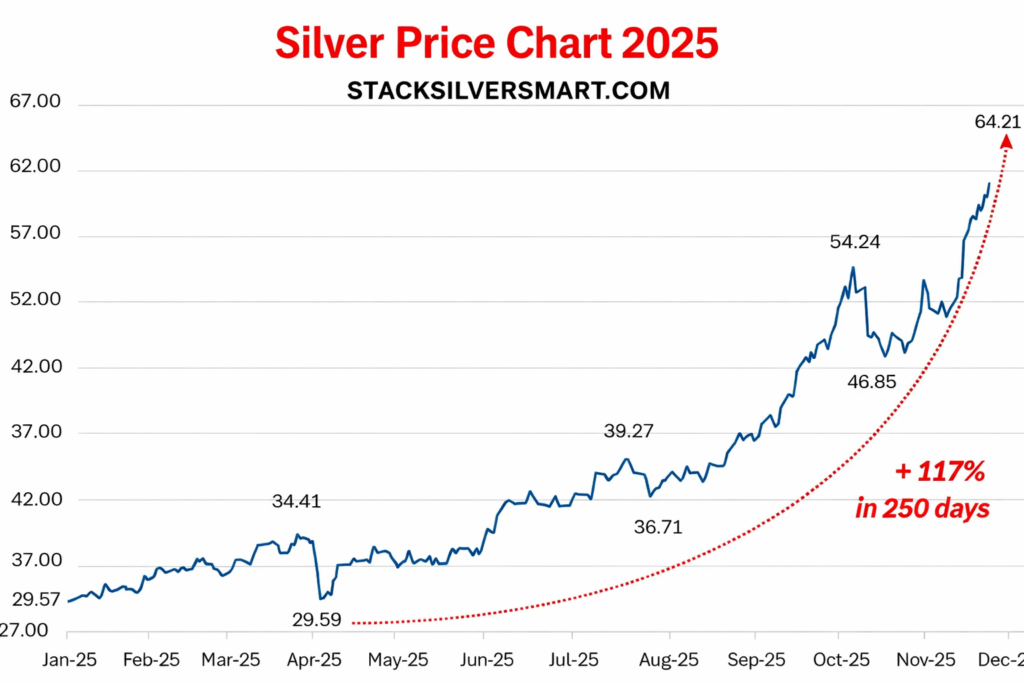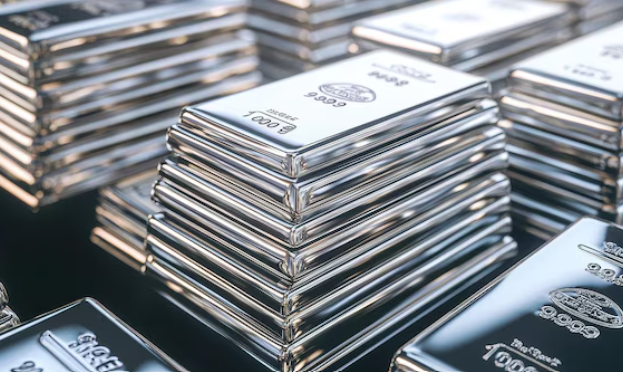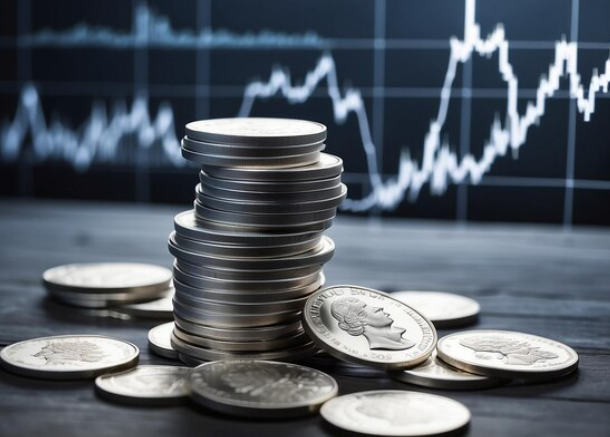
While many investors focus on silver as a “safe haven” during economic shifts, there is a massive industrial force driving the market in 2026: The 5G Revolution. As global telecommunications transition to hyper-fast connectivity, silver has emerged as the most critical material for the next generation of digital infrastructure.

Why 5G Needs Silver
Silver is the most electrically conductive metal on Earth, making it irreplaceable for high-frequency data transmission. In 5G technology, speed and reliability are non-negotiable.
Semiconductor Growth: Silver is used in every semiconductor and circuit board within 5G-enabled devices to ensure zero-resistance data flow.
Infrastructure Expansion: Beyond smartphones, thousands of new 5G “small cell” towers are being deployed. Each tower requires silver-coated filters and specialized connectors to withstand environmental stress while maintaining peak performance.
The 2026 Supply Squeeze
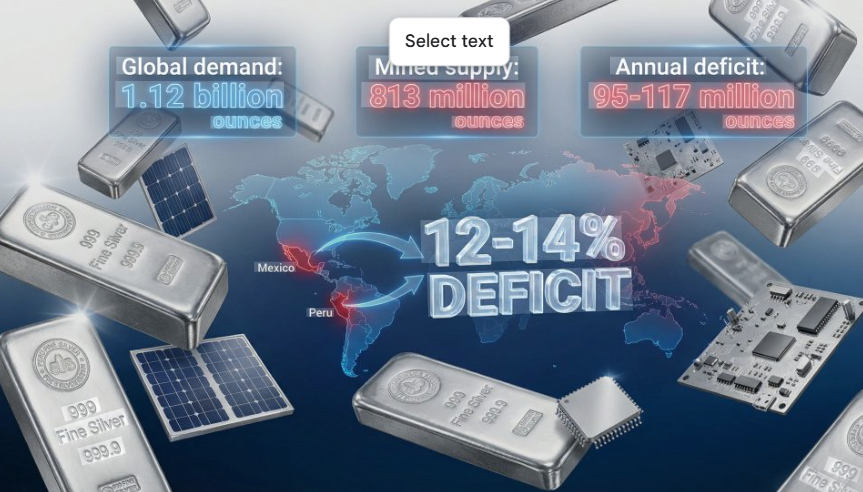
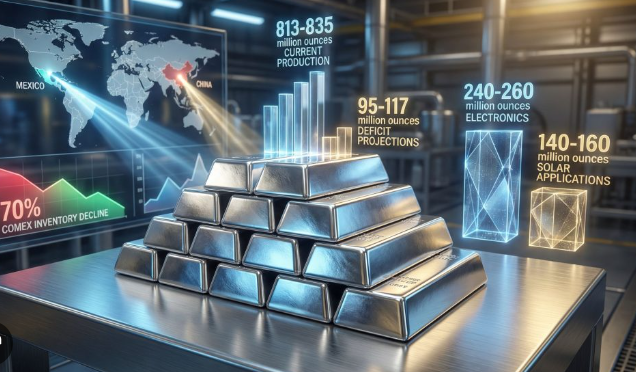
According to industry data, silver demand for 5G and green tech is projected to grow by over 200% this decade. In 2026, industrial demand is consuming more than 55% of the annual global supply. Unlike investment bullion, the silver used in technology is rarely recycled; it is effectively “consumed” and removed from the market forever.
What This Means for Stackers
For the community at StackSilverSmart, this creates a powerful “price floor.” While we stack for wealth preservation, global tech giants are buying silver out of pure necessity. This industrial hunger ensures that silver remains a high-demand asset regardless of broader market fluctuations.
Conclusion
Silver is the bridge between traditional wealth and the high-tech future of 2026. By holding physical silver, you aren’t just holding money—you are holding the essential DNA of the digital age.
Most investors think of silver as a “safe haven” for times of inflation. While that’s true, there is a massive invisible force driving silver demand in 2026: The 5G Revolution. As we move deeper into a hyper-connected world, silver has become the most critical industrial material for telecommunications.
Why 5G Needs Silver
Silver is the most electrically conductive metal on Earth. In the world of 5G, speed is everything. Because 5G uses higher frequency waves than 4G, it requires components that can handle rapid data transmission with zero resistance.
The Semiconductor Surge: Silver is used in the integrated circuits and circuit boards of every 5G-enabled device.
Infrastructure Growth: It isn’t just about phones. Thousands of new 5G “small cell” towers are being installed globally. Each tower relies on silver-coated specialized filters and connectors to function in harsh outdoor environments without corroding.
The Numbers Behind the Demand
According to the Silver Institute, demand for silver in 5G-related technologies is projected to grow by over 200% between 2020 and 2030. In 2026 alone, we are seeing industrial demand take up nearly 55% of the total global silver supply. Unlike a silver coin in your safe, the silver used in 5G towers and smartphones is rarely recycled—it is “consumed” and gone forever.
What This Means for Stackers
For the community at StackSilverSmart, this creates a “Supply Squeeze.” While we are stacking for wealth preservation, tech giants like Apple and Samsung are buying silver because their products simply cannot work without it. This industrial “floor” means that even if investment interest cools, the world’s thirst for 5G connectivity will keep silver in high demand.
Conclusion
Silver is the bridge between the ancient world of hard money and the future of 2026 technology. By holding physical silver, you are holding the “DNA” of the digital age.
As the silver market continues its historic run in 2026, many investors at StackSilverSmart are facing a high-class problem: where to put all that physical metal? Unlike gold, which packs massive value into a small space, silver is bulky and heavy. Storing a significant silver “stack” requires more than just a shoe box under the bed. To truly protect your wealth from theft, fire, and environmental damage, you need a professional-grade home security strategy.
1. Why Silver Storage is Different from Gold
Before buying a safe, you must understand the “Silver Space Requirement.” At current 2026 prices, $50,000 worth of gold can fit in a pocket. However, $50,000 worth of silver could weigh over 40kg (90lbs) and fill several “monster boxes.”
Weight Matters: You need a storage solution that can handle the sheer mass of the metal without collapsing shelves.
Environmental Sensitivity: Silver is prone to tarnishing when exposed to humidity and sulfur. Your storage must be dry and airtight to preserve the resale value of your coins and bars.
2. Choosing the Right Home Safe: The “TL” and “Fire” Ratings
Not all safes are created equal. Many “safes” sold at big-box hardware stores are actually just fire-resistant lockboxes that a thief can pry open in minutes.
Burglary Ratings (The “TL” Rating)
Look for a safe with a TL-15 or TL-30 rating. This means the safe has been tested to withstand a professional attack with tools (drills, hammers, saws) for at least 15 or 30 minutes.
Weight as Security: A safe for silver should be too heavy to carry. Aim for a safe that weighs at least 150kg to 250kg (300-500+ lbs). If a thief can’t open it, their next move is to take the whole safe with them.
Fire Ratings
Silver melts at 961.8°C (1,763°F). In a typical house fire, temperatures can reach these levels quickly. Look for a safe rated for at least 1 hour of fire protection to ensure your silver doesn’t become a molten puddle before the fire department arrives.
3. Discreet Placement: The Art of the “Hidden” Safe
The best security is a safe that no one knows exists. Burglars typically go to the “Master Bedroom” first. Avoid placing your safe in the bedroom closet.
Basements and Utility Rooms: These are often better because the safe can be bolted directly into the concrete foundation.
The Decoy Safe: Many pro-stackers keep a small, cheap safe in a visible spot (like a closet) with $100 and some old papers inside. A burglar might grab this and leave, never knowing the “real” silver safe is hidden behind a false wall in the basement.
4. Anchoring: The Non-Negotiable Step
Even a 200kg safe can be moved by two strong people with a dolly. Bolting your safe to the floor is mandatory. Use heavy-duty expansion bolts to secure the safe to a concrete floor. If your home has wooden floors, ensure you are bolting into the main floor joists or wall studs.
5. Managing the “Silver Environment”
Silver’s biggest enemy is Tarnish. To keep your silver shiny and at “top tier” resale condition:
Silica Gel Packs: Always keep several large silica desiccant packs inside your safe to soak up moisture.
Airtight Containers: Store your coins in plastic tubes or “monster boxes” rather than loose bags.
Avoid Rubber and Paper: Rubber bands and certain types of paper contain sulfur, which will turn your silver black in a matter of weeks.
6. Insurance and the “Secret” Rule
Most standard homeowners’ insurance policies only cover about $1,000 to $2,500 in “precious metals” or “money.” If you have a $20,000 stack, you are not covered.
Riders and Floaters: You may need to add a specific “Scheduled Personal Property” rider to your insurance.
The Secret Rule: The most important rule of silver security is Discretion. Do not post pictures of your stack on social media. Do not tell your neighbors. As the saying goes: “Loose lips sink silver ships”.
Conclusion
Storing silver at home in 2026 offers the ultimate freedom—you are your own bank. However, that freedom comes with the responsibility of professional-level security. By investing in a high-quality TL-rated safe, bolting it to the foundation, and maintaining a dry environment, you ensure that your StackSilverSmart wealth remains yours for generations to come.
As silver prices experience historic volatility in early 2026—swinging between $80 and $120 per ounce—investors at StackSilverSmart are faced with a critical choice. Should you hold the metal in your hand, or is a digital “paper” claim enough? In a year marked by market wipeouts and global supply deficits, the answer depends entirely on your definition of “safety.”
1. The Case for Physical Silver: Zero Counterparty Risk
For many “stackers,” if you can’t hold it, you don’t own it. Physical silver (coins and bars) is the only form of investment that has zero counterparty risk.
The 2026 Reality: With global trade tensions and system vulnerabilities, physical silver serves as a private, tangible “Plan B.” It doesn’t require an internet connection or a functioning stock exchange to have value.
The Downsides: You have to pay a “premium” (price above spot) and worry about secure storage and insurance.
2. The Case for Silver ETFs: Instant Liquidity
Exchange Traded Funds (ETFs) like SLV or SIVR are popular because they track the silver price and trade just like a stock.
Speed: If silver spikes to $150 and you want to take profits instantly, you can do it with one click on your phone.
Cost: You avoid the high premiums of physical coins, paying only a small annual management fee (usually 0.30% to 0.50%).
The Risk: You are trusting a bank to actually hold the silver. In a true financial crisis, “paper silver” may not be redeemable for the real thing.
3. Which is Right for You?
Choose Physical Silver if: You are investing for long-term wealth preservation, crisis insurance, or “generational” wealth.
Choose Silver ETFs if: You are a tactical trader looking to profit from silver’s 2026 price swings and need the ability to sell in seconds.
Conclusion
At StackSilverSmart, we believe the strongest portfolios often use a “Core and Satellite” approach. Keep 70% of your silver in physical form for safety, and 30% in an ETF for liquidity. In 2026, diversification isn’t just about what you buy—it’s about how you hold it.
As we navigate the economic landscape of 2026, one question dominates the minds of investors at StackSilverSmart: How do I protect my wealth from the “silent thief” of inflation? With the U.S. dollar facing continued pressure and global trade policies shifting, silver has re-emerged not just as a commodity, but as a vital protector of purchasing power.
1. The Erosion of Fiat Currency
Inflation isn’t just about prices going up; it’s about your money’s value going down. Historically, paper currencies have a 100% failure rate over the long term. In contrast, silver has been used as money for over 4,000 years.
The 2026 Reality: While the cost of a gallon of milk or a liter of fuel has soared in dollar terms, the amount of silver required to buy those same goods has remained remarkably stable.
2. Silver’s “Real Wealth” Advantage
Unlike a bank account or a digital stock, physical silver has no counterparty risk.
Tangible Security: When you hold a 1oz Silver Eagle or a 10oz bar, you own a physical asset that cannot be “printed” into oblivion by a central bank.
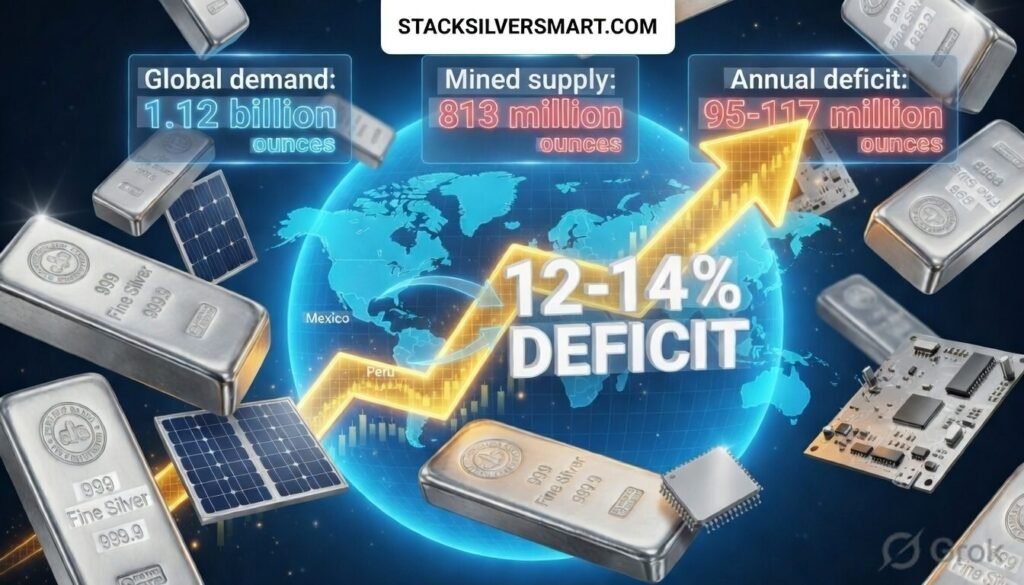
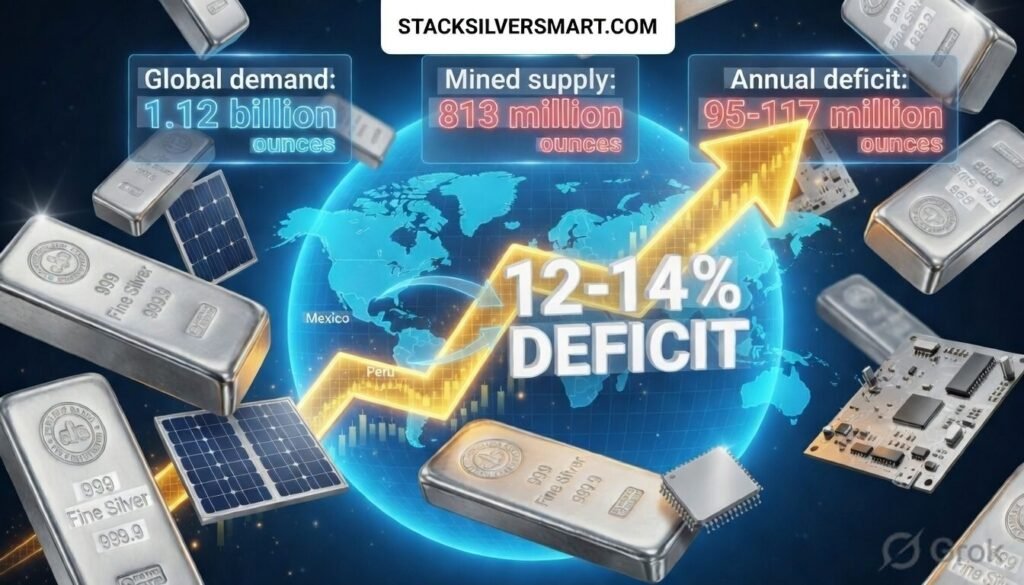
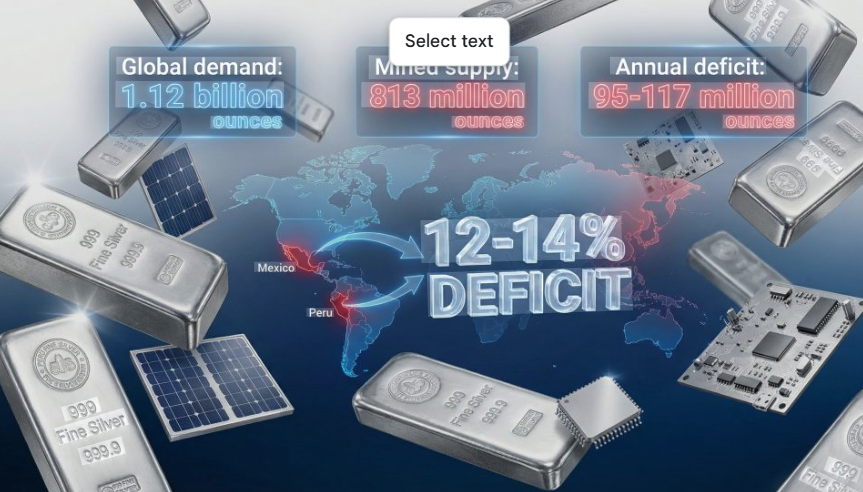
Supply Deficits: 2026 marks the sixth consecutive year of a global silver supply deficit. When inflation hits and supply is low, the price of “hard assets” like silver typically undergoes a massive upward re-rating.
3. Silver as “Gold Squared”
In the precious metals world, silver is often called “Gold on steroids.” During inflationary cycles, silver often outperforms gold in percentage gains.
Performance: With silver currently trading in the $85–$90 range in early 2026, it has outpaced many traditional “safe-haven” assets. For every 1% move in gold, silver often moves 2% or 3%, making it a powerful tool for those looking to stay ahead of the inflation curve.
Conclusion: Your Strategy for 2026
Protecting your purchasing power requires moving out of “melting” paper assets and into “frozen” stored value. By stacking physical silver, you aren’t just speculating on a price; you are insuring your family’s future against a volatile economy.
As we move further into 2026, the global economy is facing a unique set of challenges. While gold often grabs the headlines, “smart money” is increasingly looking at silver. Known as the “Devil’s Metal” for its volatile price swings, silver is currently positioned as a critical strategic asset for both wealth preservation and industrial growth.
1. The Industrial Squeeze
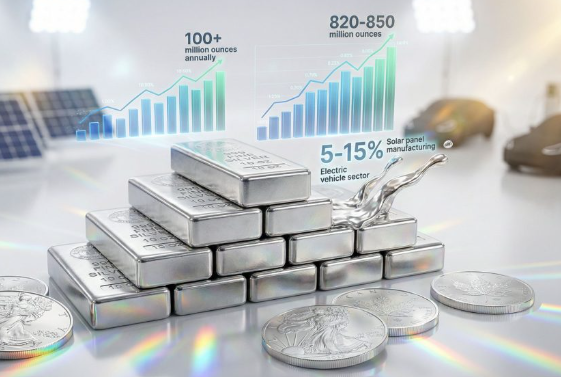
Unlike gold, silver is a vital industrial commodity. In 2026, the demand for silver in green energy—specifically solar panels and electric vehicle (EV) components—has reached an all-time high.
Solar Demand: Modern photovoltaic cells require significant silver paste to conduct electricity.
EV Revolution: Every electric vehicle contains nearly double the amount of silver found in a traditional internal combustion engine.
2. The Gold-to-Silver Ratio
For veteran stackers at StackSilverSmart, the gold-to-silver ratio is the ultimate compass. Historically, when this ratio widens, silver is considered “undervalued” compared to gold. Current trends suggest that silver is coiled like a spring, ready to outperform its yellow cousin as the ratio begins to revert to its historical mean.
3. Physical Scarcity vs. Paper Markets
There is a growing disconnect between the “paper” price of silver on global exchanges and the “physical” premium you pay at a coin shop.
Mints: Government mints are reporting continued difficulty in sourcing blanks for popular coins.
Storage: Secure private vaults are seeing record inflows as investors move away from digital assets and back into “tangible” wealth you can hold in your hand.
Conclusion: Is Now the Time to Stack?
Stacking silver isn’t about getting rich overnight; it’s about financial insurance. By holding physical silver, you are opting out of the inflationary cycle and holding an asset with zero counterparty risk. Whether you are a beginner or a seasoned pro, the 2026 outlook for silver remains bright.
The silver market is undergoing a structural shift that most retail investors are missing. While traditional analysts focus on solar panels and inflation, a new “silent consumer” has entered the vault:
Artificial Intelligence (AI) Infrastructure.
At StackSilverSmart, we believe the convergence of AI hardware and a 6-year supply deficit has created a “perfect storm” for silver prices in 2026.
2026 Price Targets: From Conservative to Bullish
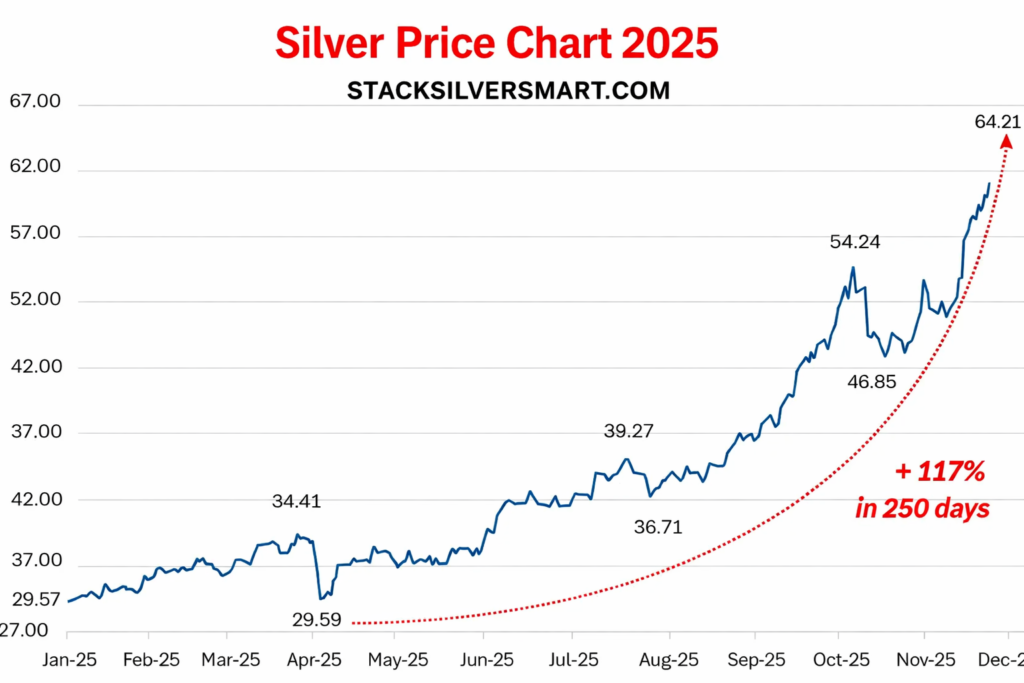
Current market conditions have forced major institutions to revise their forecasts. As of February 2026, silver has already seen explosive volatility, briefly touching $100 before stabilizing near $75–$80.
The AI Factor: Silver’s Role in the “Digital Backbone”
AI data centers aren’t just software; they are massive physical machines. To process high-frequency AI workloads, servers require superior electrical conductivity and thermal management. Silver is the most conductive metal on earth. From Nvidia-driven architecture to high-speed optical transceivers, silver is being “locked away” in data center racks at an unprecedented rate.
J.P. Morgan: Predicts an average of $81/oz for 2026.
Citigroup: Targets $100/oz by March 2026.
StackSilverSmart Outlook: If the gold-to-silver ratio continues to compress toward 50:1, triple-digit silver is not just a dream—it’s a mathematical probability.
High-End Investing
Building wealth isn’t just about stacking; it’s about the lifestyle it buys. Just as we enjoy the “premium transparency” of a high-end saunalounge experience, your silver portfolio should be clear and stress-free. In 2026, physical possession remains the ultimate hedge against digital volatility.