

The global financial landscape of mid-2026 is presenting everyday savers with an entirely unprecedented set of capital allocation hurdles. Traditional cash vehicles, fixed-income instruments, and paper stock indices are experiencing wild swings as core inflation indicators, including the hot 3.8% April Consumer Price Index (CPI) reading, continue to outpace traditional yield projections. Central bank reserve managers worldwide have recognized this structural paradigm shift, triggering a massive, record-shattering multi-year pivot out of fiat sovereign bonds and directly into tangible physical gold and silver bullion.
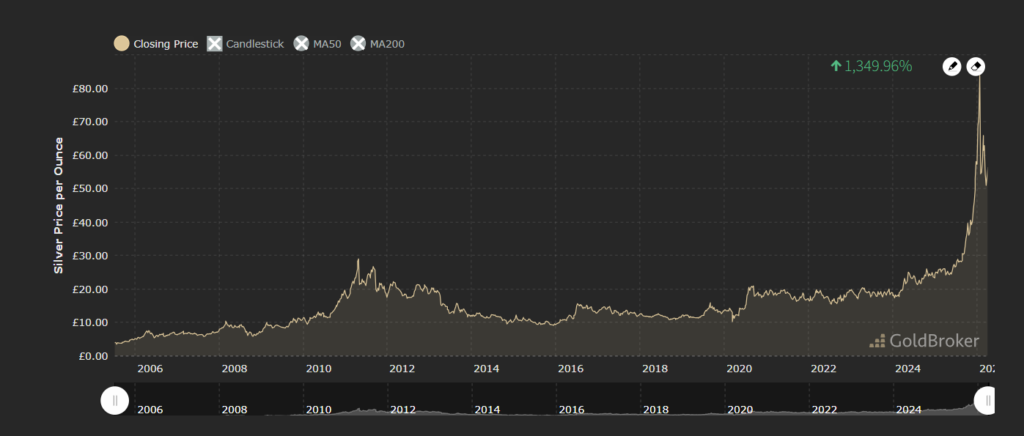
For the modern investor looking to buy silver online, navigating this landscape requires moving past emotional market headlines and relying instead on institutional mechanics. Silver is transitioning through an aggressive macro decoupling phase. Although short-term paper contract trading on digital commodity boards like the COMEX has experienced episodic volatility—pulling back temporarily to a consolidation floor between $77 and $84 per troy ounce after peaking at an all-time high of $121.64 earlier in the year—the physical market tells an completely different story. The Silver Institute’s latest data confirms that global physical consumption is tracking through its sixth consecutive year of structural supply deficits, with total demand currently outpacing global mining extraction by a massive 215 million ounces.
[Global Mine Output: ~820M oz] ──┐
                                 ├──> [215 MILLION OUNCE STRUCTURAL GAP]
[Industrial & Investment: 1,035M oz] ┘
This persistent, physical supply crunch is being driven by the mandatory integration of high-purity silver across critical high-growth industries. These include advanced photovoltaic solar cell grids, electric vehicle energy architectures, and the complex conductive paste pathways required to power hyperscale AI data center hardware. Because nearly 70% of all global silver production is pulled merely as a secondary mining byproduct during copper, zinc, and lead extraction, mining operations cannot quickly expand their capacity simply because spot prices spike.
This structural guide provides complete clarity for conservative retirement savers, detailing how to legally transition depreciating fiat allocations into physical precious metals. It outlines how to select highly rated, institutional-grade custodians while strictly adhering to federal compliance guidelines.
1. Understanding the Basics of Physical Precious Metals Allocations
Before executing an online acquisition, an investor must distinguish between the two primary classes of physical silver available for private portfolios: bullion bars and sovereign minted coins.
Bullion Bars vs. Sovereign Coins
Physical bullion bars are manufactured by certified private mints and refiners. They are valued almost entirely based on the raw weight and purity of the metal they contain. Because bars feature highly streamlined manufacturing profiles, they carry significantly lower entry premiums above the paper spot price, making them the absolute ideal vehicle for maximum physical accumulation within a Self-Directed IRA.
Sovereign coins, by contrast, are struck by official government mints such as the United States Mint or the Royal Canadian Mint. These items carry official legal tender face values, are backed by sovereign states for weight and purity, and feature advanced anti-counterfeiting security engravings. While sovereign coins carry higher upfront premiums due to their rigorous production standards, they offer exceptional global liquidity and are highly favored by pre-retirement investors seeking maximum regulatory security.
                  ┌──────────────────────────────┐
                  │   PHYSICAL SILVER OPTIONS    │
                  └──────────────┬───────────────┘
                                 │
         ┌───────────────────────┴───────────────────────┐
         ▼                                               ▼
┌──────────────────┐                            ┌──────────────────┐
│   BULLION BARS   │                            │ SOVEREIGN COINS  │
├──────────────────┤                            ├──────────────────┤
│ • Private Mints  │                            │ • Gov't Mints    │
│ • Lower Premium  │                            │ • Higher Premium │
│ • Max Metal Vol  │                            │ • Legal Tender   │
│ • Streamlined    │                            │ • Anti-Forge Eng │
└──────────────────┘                            └──────────────────┘
The Gold/Silver Ratio as a Strategic Allocator
The gold/silver ratio measures exactly how many ounces of physical silver are required to purchase a single ounce of gold at current valuation metrics. Historically, this ratio has served as an incredibly reliable indicator for identifying structural under-valuations between the two sister metals.
When the ratio expands to elevated bands, it signals that silver is fundamentally under-priced relative to gold’s institutional demand floor. For savers executing a diversification play, tracking this ratio helps optimize the exact entry timing of a transfer, allowing investors to move out of paper equities and into the white metal right before industrial supply squeezes force a sharp revaluation.

2. Key Considerations When Transacting Online
The process to buy silver online demands deep operational vetting. The digital precious metals space contains vast differences in pricing, dealer integrity, and delivery security. Safely executing an acquisition requires a strict focus on three primary operational metrics:
1. Verification of Dealer Trust and Credentials
Never engage with an online precious metals firm that lacks independent, verified third-party oversight. Institutional dealers must maintain flawless tier-1 standing with primary watchdogs, including the Better Business Bureau (BBB), the Business Consumer Alliance (BCA), and consumer aggregate platforms like Trustpilot. Transparency is everything; a reputable firm will openly state its corporate leadership, physically verify its inventory availability, and display clean legal fee sheets without burying administrative markups in the final checkout steps.
2. Dissecting the “Bid-Ask” Spread and Checkout Premiums
The “spot price” broadcast across financial television networks represents the valuation of paper futures contracts, not the real-world cost of a physical, hold-in-your-hand asset. Physical silver carries an inherent premium that covers processing, refining, secure transportation, and dealer overhead.
When reviewing an online transaction portal, require a complete itemization of the bid-ask spread—the difference between what the dealer sells the metal for and what they guarantee to pay you if you execute an immediate liquidation. Avoid firms that utilize aggressive, opaque tier pricing models that penalize smaller capital allocations with hidden administrative costs.
3. Ironclad Secure Delivery and Custodial Storage Protocols
For direct personal delivery, verify that the online dealer utilizes discreet, unbranded packaging equipped with tamper-evident security tape, paired with fully insured signature-required shipping networks like UPS or FedEx. For institutional accounts held within a retirement umbrella, look closely at the storage infrastructure. The IRS strictly forbids personal residential storage for active IRA assets.
Your physical precious metals must be routed directly to an IRS-approved, third-party depository facility—such as Brink’s or the Delaware Depository—where the metal is held in an allocated, insured, and continuously audited secure vault environment.
3. Step-by-Step Guide to a Compliant Precious Metals Rollover
For the inflation-aware saver, the safest and most tax-efficient method to construct a significant physical position is through a direct, tax-free rollover of an existing employer-sponsored 401(k), 403(b), or traditional stock-and-bond IRA. This process moves your capital under a Self-Directed IRA umbrella, allowing you to legally acquire and hold physical silver bars and coins without triggering early distribution penalties or tax events.
[Traditional Stock/401k Account] ──(Direct Rollover)──> [Self-Directed IRA Custodian]
                                                                  │
                                                                  ▼
[IRS-Approved Depository Vault] <───(Insured Transfer)─── [Physical Bullion Order]
Step 1: Partner with an Elite Self-Directed Custodian
Standard retail brokerages do not possess the administrative infrastructure required to track, clear, and audit physical commodities. You must partner with a specialized precious metals custodian. The custodian acts as your official regulatory bridge, managing all capital distribution tracking, IRS reporting, and execution logs.
Step 2: Fund the Account via Direct Transfer
To ensure complete tax insulation, utilize a direct custodian-to-custodian transfer. The capital shifts securely from your current financial provider straight to your new Self-Directed account. Because the capital never touches your personal checking account, it remains completely insulated from the IRS 60-day rollover rules and bypasses all withholding taxes.
Step 3: Select and Allocate Eligible Physical Bullion
Once the account holds cleared funds, you direct your account representative to purchase specific, IRS-eligible coins or bars. The IRS enforces strict minimum purity standards: all silver bars and coins allocated within a retirement structure must maintain an absolute minimum fineness of .999. Once your order is processed, the physical metal is securely transferred under fully insured transit directly into your chosen IRS-approved depository vault.
4. Institutional Provider Evaluations & Trust Rankings
To guarantee your portfolio’s complete isolation from hidden management spreads and operational friction, you must choose an elite-tier provider. The following three firms represent the gold standard of the 2026 precious metals investment space based on pricing transparency, regulatory compliance, and verified user satisfaction:
1. Augusta Precious Metals
- Corporate Trust Score: ⭐⭐⭐⭐⭐ (5/5 Institutional Stars)
- Strategic Specialization: Best for Lifetime Educational Support & Complete Fee Transparency.
- Core Advantages: Augusta is widely recognized for their comprehensive, live macroeconomic web conferences designed directly by an internal team of analysts. They excel at guiding pre-retirement savers through complex rollover steps with an absolute zero-pressure, educational approach. Their pricing sheets feature complete disclosure of all dealer spreads up front.
2. Birch Gold Group
- Corporate Trust Score: ⭐⭐⭐⭐⭐ (4.9/5 Institutional Stars)
- Strategic Specialization: Best for Seamless 401(k) Rollover Administration & Onboarding.
- Core Advantages: Birch Gold Group features a highly experienced compliance team that specializes in navigating complex, employer-sponsored retirement plan transitions. They interface directly with legacy administrators to eliminate processing friction, making them the absolute premier choice for first-time precious metals investors.
3. GoldBroker
- Corporate Trust Score: ⭐⭐⭐⭐⭐ (4.8/5 Institutional Stars)
- Strategic Specialization: Best for Secure, Non-US Fully Allocated Storage Vaulting.
- Core Advantages: For investors focused on geopolitical insulation and diversification outside the domestic banking matrix, GoldBroker provides direct, unencumbered ownership structures within ultra-secure vault facilities in Zurich, Switzerland, and Singapore.

5. Master the 2026 Gold IRA Withdrawal Rules
Accumulating physical wealth is only half of the retirement preservation equation. To permanent shield your capital from structural inflation, you must execute your ultimate exit strategy with absolute regulatory precision.
The Age 59½ Early Distribution Boundary
The IRS maintains strict, non-negotiable oversight regarding when you can legally access physical metals held within a tax-sheltered retirement account. Any removal of physical bullion from an approved depository before you clear the exact age threshold of 59½ is legally categorized as an unapproved early distribution.
An early distribution instantly triggers a 10% federal tax penalty. Furthermore, for standard Traditional Self-Directed accounts, the entire market value of the distributed metal is taxed as ordinary gross income based on your current federal bracket, potentially pushing your household into a significantly higher tax rate for that calendar year.
Cash Liquidation vs. In-Kind Physical Delivery
When you reach the age of 59½ and prepare to execute a legal withdrawal from your physical account, you are faced with a vital strategic choice. Lower-tier investment platforms often try to force a standard “Cash Liquidation,” meaning your physical bars and coins are sold internally at wholesale rates, and you are sent a standard paper fiat check. For an investor whose entire strategy is based on avoiding depreciating cash, this can be highly counterproductive.
The elite method is to elect an In-Kind Distribution. Under this operational mechanism, your dedicated custodian organizes the physical removal of your actual, .999 pure silver bars or sovereign coins from the depository vault. The physical metal is securely packed and dispatched via armored, fully insured secure transport directly to your home address. You take direct, unencumbered physical possession of the tangible wealth you built, completely removing your future from the vulnerabilities of the traditional banking grid.
6. Common Mistakes to Avoid When Buying Silver Online
- Chasing Low Spreads on Unauthorized Assets: Avoid online platforms offering ultra-cheap silver bars that do not possess official hallmark stamps or verified .999 purity credentials. Buying unrefined or uncertified bars leaves your portfolio completely exposed to counterfeit risk and eliminates your ability to liquidate the metal at true market rates down the line.
- Utilizing Commingled Instead of Allocated Storage: When selecting your depository option through your custodian, ensure you demand fully allocated and segregated storage. Commingled storage means your bars are placed in a shared bin with other investors’ assets. Allocated storage guarantees your exact physical coins and bars are set aside in a distinct, uniquely identified locker, ensuring complete title sovereignty.
- Failing to Verify the Buy-Back Policy: Never buy a single ounce of silver online without securing a binding, written buy-back agreement from the dealer. A top-tier provider will openly state their willingness to repurchase your metals at current market rates whenever you decide to liquidate or execute a retirement distribution.
7. Conclusion: Securing Your Financial Sovereignty
As global fiscal deficits climb past historic records and international trade alliances continue to fragment through mid-2026, the case for physical capital preservation has moved past simple speculation. It is now a critical prerequisite for maintaining purchasing power. While digital paper contracts fluctuate daily on automated institutional algorithms, the physical reality of a 215-million-ounce structural silver deficit ensures that tangible wealth remains an elite global resource.
By moving away from standard paper equities, tracking the live gold/silver ratio indicators, and partnering with verified, high-authority precious metals custodians, everyday savers can establish an ironclad defensive position. Don’t leave your family’s lifetime retirement security vulnerable to currency debasement and political stalemates. Transition your wealth into a tangible, sovereign asset class that cannot be devalued by central bank printing presses.
🔎 Verified Consumer Q&A (Schema Optimized)
Q: Can I store my Self-Directed IRA silver at my house before age 59½?
A: No. The IRS strictly mandates that all physical precious metals held inside an active retirement account must be preserved inside a third-party, IRS-approved secure depository facility. Attempting to bring your active IRA metals home early counts as an unapproved distribution, resulting in immediate taxation and a 10% penalty.
Q: Why do industrial tech giants impact the price of physical silver?
A: Nearly 60% of global silver supply is consumed by high-tech industrial manufacturing, including AI chips, electric vehicles, and solar power components. Because tech giants are actively panic-buying physical silver directly from refiners to protect their corporate supply chains from the current 215-million-ounce deficit, retail availability is constrained, keeping physical acquisition premiums elevated over paper tracking spot prices.
Q: What is the primary difference between a Traditional and a Roth Silver IRA rollover?
A: Traditional precious metals IRAs are funded utilizing pre-tax capital, giving you an immediate tax deduction upfront, but your eventual distributions after age 59½ are taxed as ordinary income. Roth precious metals IRAs are established utilizing after-tax capital; you receive no immediate deduction, but all future capital gains and distributions are 100% tax-free for life.
Leave a Reply